Table of Contents
EV Charging for Hotels | Ultimate Hospitality Setup Guide
The global travel landscape has reached a decisive turning point. With millions of electric vehicles taking to the roads globally, EV drivers represent one of the fastest-growing and highest-spending segments in the hospitality market. For these travelers, charging is not just an added convenience—it is a mandatory filter during the accommodation search.
Major hotel brands like Hilton, Marriott, Hyatt, Radisson, and IHG have recognized this shift, deploying thousands of charging stations across their global footprints. On Online Travel Agency (OTA) platforms like Booking.com, Expedia, and Airbnb, filtering for “EV Charging Station” has become a primary booking driver that outpaces traditional perks like swimming pools or complimentary breakfast.
Installing EV charging for hotels transforms your parking lot from a cost center into a powerful asset that drives direct bookings, boosts ancillary food and beverage revenue, improves guest satisfaction, and positions your brand as a sustainability leader.
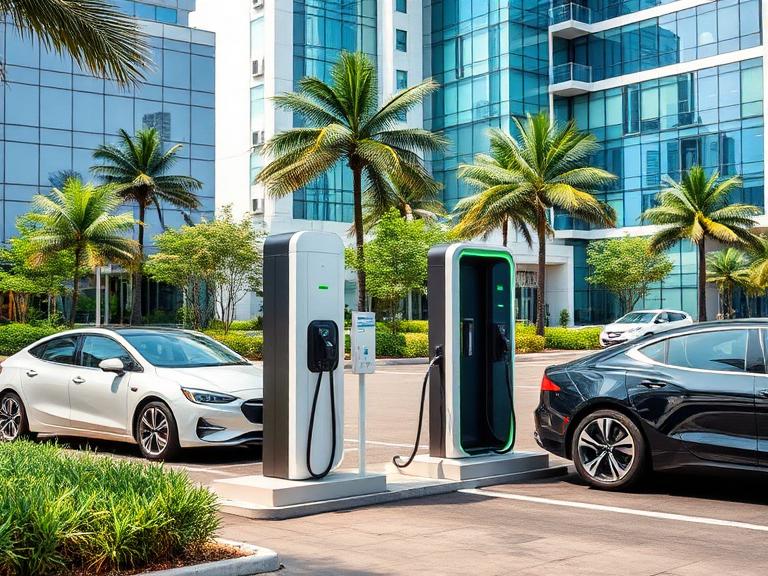
1. The Commercial ROI: How EV Charging Generates Revenue for Hotels
Adding charging stations to your hospitality property delivers measurable financial returns across several operational areas:
                    [Hotel EV Charging Revenue Streams]
                                     │
      ┌──────────────────────────────┼──────────────────────────────┐
      ▼                              ▼                              ▼
[Direct Occupancy Boost]    [Ancillary Spend Bump]       [Direct Charging Fees]
 • Premium Room Rates        • Extended Restaurant Stays   • Pay-per-kWh / Time Markup
 • OTA Filter Visibility     • Spa & Bar Revenue Growth    • Idle Overstay Penalties
 • High Guest Retention      • Event Space Rentals         • Non-Guest Visitor Parking
1. Capturing High-Value “Charge-and-Stay” Guests
EV owners skew toward higher median household incomes, travel frequently, and actively seek out properties that offer charging. When an EV traveler plans a multi-day trip or overnight journey, a hotel with charging facilities instantly becomes the primary choice. These guests are often willing to pay higher room rates in exchange for the peace of mind that comes with waking up to a fully charged battery.
2. Increasing Ancillary Food, Beverage, and Amenity Spending
Charging dwell times create captive audiences. An EV driver stopping at a highway hotel or destination resort for a 45-minute DC fast charge or a multi-hour Level 2 top-up frequently visits the property’s coffee shop, restaurant, bar, or lounge. This dynamic converts drive-by travelers into high-margin food and beverage customers.
3. Monetization Models & Usage Fee Revenues
Hotels maintain complete control over how charging fees are structured:
- Cost Recovery Model: Charge guests a slight markup over utility kilowatt-hour (kWh) electricity rates to offset hardware installation costs and ongoing maintenance.
- Tiered Loyalty Perk: Offer free charging to VIP or higher-tier loyalty members while billing regular guests or non-overnight visitors standard commercial rates.
- Idle Overstay Fees: Apply recurring per-minute idle charges once a vehicle reaches a 100% charge state, ensuring guests move their cars and keep bays accessible.
2. Choosing the Right Hardware: Level 2 AC vs. DC Fast Chargers
The optimal hardware mix depends directly on your hotel profile, typical guest dwell time, and physical site location.
┌────────────────────────────────────────────────────────────────────────────────────────┐
│                          HOSPITALITY HARDWARE SELECTION GUIDE                          │
├───────────────────────────────┬───────────────────────────────┬────────────────────────┤
│ Level 2 AC (7.4 kW - 22 kW)   │ Medium DC Fast (30 kW - 60 kW)│ High DC Fast (120 kW - 240+ kW)
├───────────────────────────────┼───────────────────────────────┼────────────────────────┤
│ • Primary Overnight Charger   │ • Short Dwell & Highway Mix   │ • Highway Transit Hubs
│ • Dwell Time: 6 to 10 Hours   │ • Dwell Time: 1 to 2 Hours    │ • Dwell Time: 20 to 45 Mins
│ • Ideal for City & Resorts    │ • Ideal for Diners & Visitors │ • High Power & Utility Costs
│ • Cost-Effective Installation │ • Moderate Grid Upgrade Needs │ • Substantial Electrical Work
└───────────────────────────────┴───────────────────────────────┴────────────────────────┘
Level 2 AC Chargers (11 kW – 22 kW) — The Overnight Hospitality Standard
Level 2 AC chargers are the cornerstone of hotel EV infrastructure. Since overnight guests stay between 8 and 12 hours, Level 2 units provide plenty of power to fully recharge an EV battery by morning without taxing the hotel’s electrical infrastructure.
- 11 kW to 22 kW Three-Phase: Recommended for international properties and destination resorts. Higher power headroom accommodates vehicles with larger onboard chargers, delivering maximum flexibility.
DC Fast Chargers (30 kW – 120+ kW) — For Highway Properties & Visitors
Direct Current (DC) fast chargers supply high-voltage DC power straight to the battery, delivering a 20% to 80% charge in under 45 minutes.
- Best Suited For: Highway motels, road-stop inns, event venues, or resorts with high pass-through lunch traffic. Installing a 30 kW or 60 kW DC fast charger turns your hotel into an attractive travel stop, pulling off-highway drivers directly into your dining and lounge facilities.
3. Overcoming Electrical Constraints: Dynamic Load Management (DLM)
Hotels operate under heavy, dynamic electrical demands. Commercial kitchens, central HVAC systems, elevators, and laundry facilities create high electrical loads during peak hours. Adding several high-draw EV chargers can risk exceeding sanctioned grid capacity or triggering expensive utility demand penalties.
                          [Dynamic Load Management Architecture]
                                             │
             ┌───────────────────────────────┴───────────────────────────────┐
             ▼                                                               ▼
 [Unmanaged Charging Configuration]                             [Managed DLM Configuration]
  • Peak Load = 120 kW Constant                                  • Peak Capped @ 40 kW Capped
  • Risk of Tripping Main Breakers                               • Automatically Throttles Amperage
  • Requires Expensive Transformer Upgrade                       • Fits Safely Within Existing Capacity
  • Triggers High Demand Surcharges                              • Zero Grid Overload Risk
How Dynamic Load Management Protects Hotel Operations
Dynamic Load Management (DLM) software solves capacity limitations by communicating with the building’s main power panel in real time:
- Peak Hours (6:00 PM – 10:00 PM): As guests check in, run air conditioning, and dine, DLM automatically throttles charger output (e.g., from 22 kW down to 7.4 kW per port) to prevent power spikes.
- Off-Peak Overnight (11:00 PM – 6:00 AM): As overall building power draw decreases, DLM redistributes maximum available power back to the chargers, ensuring every plugged-in vehicle reaches 100% by morning.
DLM allows hotels to install three to four times more charging sockets on their current electrical service, eliminating the need for costly transformer upgrades.
4. Software Integration: Connecting EV Chargers to Hotel PMS
Modern EV charging networks should integrate directly with your existing hotel technology stack rather than running as an isolated system.
[EV Charger Plugged In] ──► [Guest Scans RFID Keycard] ──► [PMS API Verification] ──► [Fee Posted to Folio]
Property Management System (PMS) API Integration
Through Open Charge Point Protocol (OCPP) APIs, charging management software connects directly with leading hotel Property Management Systems (PMS) like Oracle MICROS Opera, Cloudbeds, and Stayntouch:
- Room Folio Billing: Guests can authorize a charging session by scanning their digital room key or tapping their RFID keycard, automatically posting usage fees directly to their room bill.
- Loyalty Program Perks: PMS rules can automatically unlock free or discounted charging based on a guest’s loyalty tier status (e.g., Gold or Platinum).
- Front Desk Concierge Dashboard: Front desk teams can monitor charger availability, assist guests with session activations, or reassign parking spaces in real time.
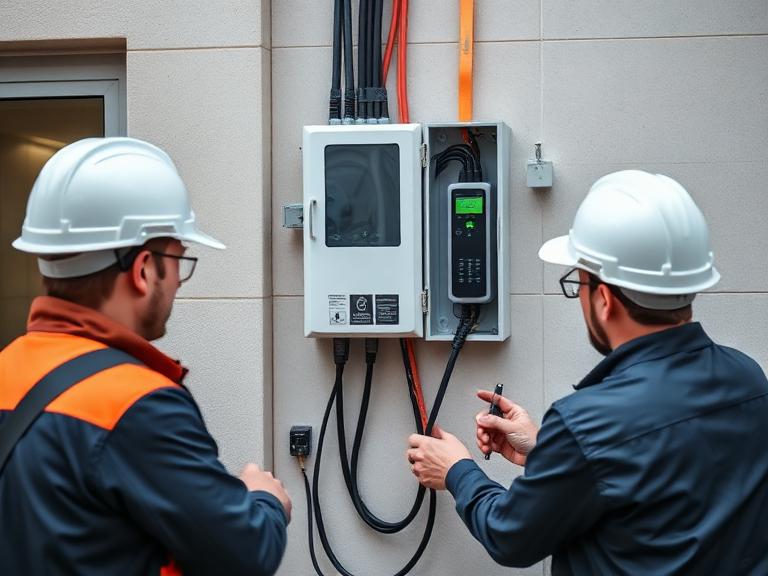
5. Structured Comparison: Deployment Tiers for Hospitality Properties
Review how hardware requirements, electrical needs, and software setups scale across different hotel categories:
| Hospitality Property Tier | Recommended Charger Hardware | Target Dwell Time | Recommended Software Setup | Estimated Turnkey Budget (Per Site) |
| Boutique & City Center Hotels | 2 — 6 Dual-Port Level 2 AC (11kW-22kW) | 6 to 10 Hours (Overnight) | OCPP Software + PMS Billing Sync | $12,000 — $35,000 |
| Highway Inns & Transit Lodges | 2 Level 2 AC + 1 DC Fast (30kW-60kW) | 45 Mins to 2 Hours | Public Map Listing + Credit Card Kiosk | $45,000 — $95,000 |
| Luxury Resorts & Casinos | 8 — 20+ Level 2 AC + Dual DC Fast (120kW) | 2 to 12+ Hours | DLM Load Balancing + VIP Folio Sync | $110,000 — $280,000+ |
6. Step-by-Step Implementation Roadmap
Deploying EV chargers across a hospitality property requires an organized, phase-by-phase execution plan:
1.Conduct Site Audit & Electrical Capacity Assessment:Phase 1: Demand & Grid Audit.
Assess total sanctioned grid capacity, spare transformer headroom, and primary guest parking layouts. Calculate initial charger counts based on average guest occupancy and parking ratios.
2.Procure OCPP Hardware & Cloud Software:Phase 2: Hardware & Software Selection.
Select smart, OCPP-compliant Level 2 or DC fast chargers. Choose a Charge Point Management System (CPMS) that supports dynamic load balancing, PMS integration, and flexible tariff management.
3.Execute Trenching, Wiring & Charger Mounting:Phase 3: Civil Works & Installation.
Complete trenching, conduit runs, sub-panel upgrades, protective bollards, and hardware mounting. Paint parking spaces with green markings, clear EV signage, and directional indicators.
4.Integrate PMS Sync & Perform Safety Checks:Phase 4: Integration & Testing.
Connect charging software to your hotel’s PMS or payment gateway. Conduct full electrical testing, emergency stop verifications, and staff training for front desk and valet teams.
5.Publish Charger Locations on OTA & Navigation Maps:Phase 5: Marketing & Optimization.
List your charging stations on major travel and mapping networks (Google Maps, PlugShare, Apple Maps, Zap-Map) and update OTA profiles (Booking.com, Expedia, TripAdvisor) to capture search traffic.
7. Incentives, Subsidies, and Policy Frameworks
Government programs globally offer financial support to accelerate commercial EV charging installations:
- United States: The federal Section 30C Alternative Fuel Infrastructure Tax Credit provides credits covering up to 30% of commercial installation expenses. Local utility incentive programs often cover an additional 40% to 80% of electrical panel and trenching costs.
- India: Central programs like PM E-DRIVE (succeeding FAME II), alongside state-specific EV policies, offer capital subsidies for public charging setups. Concessional tariff rates during solar hours (9 AM – 4 PM) help reduce operational energy costs.
- Europe & UK: Regional schemes offer capital subsidies and tax incentives, while green building codes increasingly mandate EV readiness for commercial parking lots.
8. Frequently Asked Questions (15 Detailed FAQs)
FAQ 1: Why is EV charging becoming an essential amenity for hotels and resorts?
EV drivers actively filter OTA platforms (like Google Maps, Booking.com, and Expedia) specifically for hotels offering EV charging. Providing charging facilities increases direct room bookings, attracts higher-spending guests who spend on food, beverage, and spa services, extends length of stay, and elevates brand equity through green hospitality initiatives.
FAQ 2: What type of EV chargers should a hotel install?
For urban, business, and boutique hotels where guests stay overnight, Level 2 AC chargers (11 kW to 22 kW) are optimal for 6 to 10-hour dwell times. For highway hotels, road-stop motels, or resort dining locations, DC Fast Chargers (30 kW to 120 kW+) are recommended to serve short-stay dining or transit guests needing a fast 30 to 60-minute top-up.
FAQ 3: How many EV charging ports should a hotel start with?
A standard baseline recommendation is to electrify 3% to 5% of total guest parking spaces during initial rollout (e.g., 2 to 4 Level 2 ports for a 100-room property), while running extra conduit capacity to scale smoothly up to 15% or 20% as EV adoption grows.
FAQ 4: How can hotels monetize EV charging stations?
Hotels can monetize charging stations through pay-per-use energy billing (charging per kWh or per hour), tiered access models (free charging bundled into VIP/loyalty room packages while non-guests pay commercial rates), or by setting overstay idle fees to maintain bay turnover.
FAQ 5: What is Dynamic Load Management (DLM) and why is it necessary for hotels?
Dynamic Load Management (DLM) is a cloud software feature that monitors a hotel’s total real-time electrical draw (HVAC, kitchen equipment, elevators) and automatically throttles charger output during peak building electricity consumption. This allows hotels to install multiple charging ports without paying for costly transformer upgrades or incurring utility demand penalties.
FAQ 6: Can EV charging software integrate with Hotel Property Management Systems (PMS)?
Yes. Modern OCPP-compliant Charge Point Management Systems (CPMS) integrate directly via APIs with hotel PMS platforms (such as Opera, Cloudbeds, or Stayntouch). This allows charging fees to be posted directly to a guest’s room folio or unlocked using RFID room keycards.
FAQ 7: How much does it cost to install EV charging at a hotel?
A commercial dual-port smart Level 2 AC charger installation typically ranges between $6,000 and $15,000 including hardware, trenching, electrical wiring, and software setup. DC Fast Charger deployments range from $35,000 to over $90,000 depending on power output and panel upgrade requirements.
FAQ 8: Are government incentives, grants, or rebates available for hotel EV chargers?
Yes. In the United States, federal Section 30C tax credits cover up to 30% of commercial installation costs. In Europe and the UK, regional grant schemes subsidize hardware costs. In India, central schemes (like PM E-DRIVE) and state policies offer capital subsidies and tariff concessions.
FAQ 9: How do hotels solve the issue of guests “hogging” charging bays after full charge?
Hotels prevent charger hogging by implementing automatic SMS/app push alerts when a vehicle reaches full charge, followed by a 30-minute grace period. If the car is not moved, the charging network automatically charges an idle or overstay fee per minute.
FAQ 10: What is OCPP and why is it vital for hotel EV infrastructure?
Open Charge Point Protocol (OCPP) is an open communication standard between charger hardware and management software. Choosing OCPP-compliant hardware prevents vendor lock-in, allowing hotels to change network software or payment processors without replacing physical chargers.
FAQ 11: Can non-hotel guests use the hotel’s EV chargers?
Hotels can configure access rules to allow or restrict non-guest access. Many properties list their chargers publicly on networks like PlugShare and Google Maps during off-peak hours to generate extra revenue from restaurant and bar visitors while reserving priority access for overnight guests.
FAQ 12: How long does a typical hotel EV charging station installation take?
Physical hardware installation and electrical commissioning take roughly 3 to 7 business days. However, the end-to-end process—including site audits, permitting, utility connection approvals, and software setup—typically takes 4 to 8 weeks.
FAQ 13: How does EV charging help hotels achieve sustainability and green certifications?
Installing EV chargers earns points toward international green hospitality standards including LEED, BREEAM, Green Key, and TripAdvisor GreenLeaders. It also lowers Scope 3 indirect transport emissions for corporate travel sustainability reporting.
FAQ 14: What maintenance is required for hotel EV charging stations?
Commercial chargers require minimal maintenance: routine physical checks of cables and holsters, display cleaning, annual electrical testing, and automatic over-the-air (OTA) software and firmware updates managed remotely by the network provider.
FAQ 15: What safety standards must hotel EV chargers comply with?
Hotel chargers must comply with electrical standards like NEC Article 625 (US), IEC 61851 (Global), or BIS/CEA standards (India). Essential features include built-in Ground Fault Circuit Interrupters (GFCI), emergency stop triggers, and weatherproof NEMA 3R/4X or IP65/IP66 enclosures.
9. Key Technical & Operational Launch Checklist
Review this checklist before opening your hotel charging facilities to guests:
- [ ] Physical Accessibility: Verify dedicated green bay markings, bollards, wheel stops, and compliance with accessibility guidelines (e.g., ADA standards in the US).
- [ ] Clear Directional Signage: Install entrance wayfinding signs to direct arriving guests to charging locations.
- [ ] Emergency Shut-Off Controls: Verify accessible emergency power cut-off switches near charging areas.
- [ ] PMS Integration Check: Confirm test transactions post cleanly to test room folios.
- [ ] OTA Profile Updates: Select “EV Charging Station” amenity tags across all active OTA channels (Booking.com, Expedia, TripAdvisor, Google Business Profile).
- [ ] Front Desk Staff Training: Ensure reception teams know how to assist guests with mobile activations, keycards, and basic troubleshooting.
Conclusion
Installing EV charging for hotels is a high-impact investment that modernizes hospitality infrastructure. By providing reliable charging options, hotels capture high-value eco-conscious travelers, drive direct room bookings, unlock new ancillary revenue streams, and build long-term guest loyalty.