

Table of Contents
Advanced Psoriasis Treatment in Hyderabad | Dr. Showrya Gadde
Psoriasis Vulgaris is a systemic, chronic, immune-mediated inflammatory skin condition characterized by accelerated epidermal cell proliferation, altered keratinocyte differentiation, dermal vascular dilation, and dense T-lymphocytic tissue infiltration. Clinically, it manifests as sharply demarcated, erythematous papules and raised plaques covered with characteristic silvery-white micaceous scales, frequently localized to extensor surfaces such as elbows, knees, lumbo-sacral regions, scalp, palms, and soles.
Across the bustling technology and corporate hubs of Hyderabad—including Kondapur, Madhapur, HITEC City, Gachibowli, Jubilee Hills, and Banjara Hills—psoriasis imposes a substantial physical, emotional, and social burden. Environmental drivers such as dry winter climates, elevated workplace stress, irregular sleep cycles, metabolic syndrome, and mineral-dense domestic borewell tap water frequently aggravate baseline cutaneous inflammation.
Navigating psoriasis care requires stepping away from unverified home remedies, OTC moisturizers, or indiscriminate salon treatments that fail to address the underlying autoimmune signaling pathways. On melanin-rich South Asian skin phototypes (Fitzpatrick Types IV–VI), improperly managed psoriasis can lead to persistent post-inflammatory hyperpigmentation (PIH) or hypopigmentation, severe plaque fissuring, and secondary bacterial superinfections.
Consulting a specialist for Psoriasis Treatment in Hyderabad ensures an evidence-based medical strategy. At Dr. Showrya Gadde Dermatology & Wellness (located in Jubilee Enclave, Kondapur, near HITEC City), psoriasis care is led by Dr. Showrya Gadde (MBBS, DNB – Dermatology & Venereology). By integrating diagnostic severity scoring, systemic immunomodulators, Narrowband UVB phototherapy, targeted Biologic therapies, and barrier repair regimens, the clinic helps patients achieve sustained skin clearance and improved quality of life.
1. Pathophysiology & Immunology: The IL-23/Th17 Inflammatory Axis
To manage psoriasis effectively, clinical dermatology focuses on the complex immune network that drives hyper-proliferation in the skin:
- Trigger Phase & Auto-Antigen Release: In genetically predisposed individuals (expressing HLA-Cw6 alleles), environmental triggers like physical injury (Koebner phenomenon), streptococcal pharyngitis, or psychological stress cause damaged keratinocytes to release antimicrobial peptides (such as LL-37). These peptides form complexes with host DNA/RNA, activating plasmacytoid dendritic cells.
- Dendritic Cell Activation & Cytokine Secretion: Activated myeloid dendritic cells produce key regulatory cytokines—primarily Interleukin-23 (IL-23) and Interleukin-12 (IL-12). IL-23 acts as the master upstream regulator of pathognomonic cutaneous psoriasis.
- Th17/Th22 T-Cell Proliferation: IL-23 binds to specific receptors on naive T-helper cells, driving their differentiation and expansion into pathogenic Th17 and Th22 lymphocytes. These activated cells migrate to the dermis, secreting large amounts of pro-inflammatory effector cytokines, including Interleukin-17A (IL-17A), Interleukin-17F (IL-17F), Interleukin-22 (IL-22), and Tumor Necrosis Factor-alpha (TNF-$\alpha$).
- Epidermal Hyper-Proliferation & Plaque Formation: IL-17A and IL-22 act directly on epidermal keratinocytes, triggering rapid, uncontrolled cell division. The normal epidermal turnover cycle accelerates dramatically from 28 days down to just 3 to 5 days. Keratinocytes reach the stratum corneum without fully losing their nuclei (parakeratosis), creating thick, raised, silvery scaly plaques. Concurrently, neutrophils migrate into the epidermis (forming Munros microabscesses), and dermal blood vessels dilate and tortuously expand, producing characteristic lesion redness.
2. Clinical Variants & Anatomical Classification of Psoriasis
During diagnostic evaluation, a dermatologist categorizes psoriasis based on lesion morphology, distribution, anatomical involvement, and severity scoring (PASI / BSA):
| Clinical Variant | Dominant Lesion Features | Primary Anatomical Sites | Functional Impact & Risk | Recommended Clinical Strategy |
| Plaque Psoriasis (Vulgaris) | Well-defined erythematous plaques with silvery scales | Elbows, knees, sacrum, lower back | Pruritus, skin cracking, social anxiety | Topical Calcipotriol + Steroids, NB-UVB, Systemic Synthetics, Biologics |
| Scalp Psoriasis | Thick, silvery-white plaques with hair line encroachment | Scalp, occiput, post-auricular areas | Severe shedding, hair thinning, intense itching | Salicylic acid coal tar shampoos, topical solutions, targeted phototherapy |
| Palmoplantar Psoriasis | Hyperkeratotic, yellow-brown plaques with painful fissures | Palms of hands & soles of feet | Severe impairment in walking & manual tasks | Potent topical steroids under occlusion, Acitretin, Apremilast, Biologics |
| Guttate Psoriasis | Small, salmon-pink, drop-like papules ($<1\text{ cm}$) | Trunk, proximal extremities | Sudden onset following strep infection | Antibiotics for underlying infection, NB-UVB Phototherapy, topical agents |
| Inverse (Flexural) Psoriasis | Smooth, shiny, non-scaly red patches | Axillae, groin, inframammary folds | High friction, vulnerability to Candida | Low-potency topical steroids, Tacrolimus / Pimecrolimus ointment |
| Nail Psoriasis | Pitting, subungual hyperkeratosis, oil-drop spots | Fingernails & Toenails | Functional loss, precursor to Psoriatic Arthritis | Intralesional steroid injections, Systemic Biologics |
3. Severity Assessment: PASI Score and Body Surface Area (BSA)
To select the most appropriate treatment and monitor response, dermatologists evaluate disease severity using validated scoring tools:
- Body Surface Area (BSA): Estimated using the patient’s palm area (representing ~1% of total body surface area).
- Psoriasis Area and Severity Index (PASI): Evaluates four body regions (head, upper limbs, trunk, lower limbs) for erythema (redness), induration (thickness), and desquamation (scaling) on a 0–4 scale.
- DLQI (Dermatology Life Quality Index): A 10-question tool assessing how psoriasis impacts daily activities, clothing choices, social interactions, and mental well-being.
4. Comprehensive Clinical Modalities for Psoriasis Management
Modern clinical management moves beyond symptom masking, offering targeted interventions based on disease severity.
1. Targeted Topical Therapies (First-Line for Mild Disease)
- Corticosteroid & Vitamin D3 Analog Combinations: Combining a potent corticosteroid (Betamethasone Dipropionate) with a Vitamin D3 analog (Calcipotriol) targets two pathways at once: Calcipotriol normalizes keratinocyte proliferation, while the corticosteroid suppresses inflammatory cytokines.
- Topical Calcineurin Inhibitors (Tacrolimus / Pimecrolimus): Steroid-sparing agents ideal for delicate skin areas (face, intertriginous folds, genitalia) without risking skin atrophy or telangiectasias.
- Keratolytic & Barrier Repair Formulations: High-concentration Salicylic acid (3%–6%) and Coal Tar preparations soften and dissolve thick, adherent scales, helping active therapeutic agents penetrate deeper into the plaque.
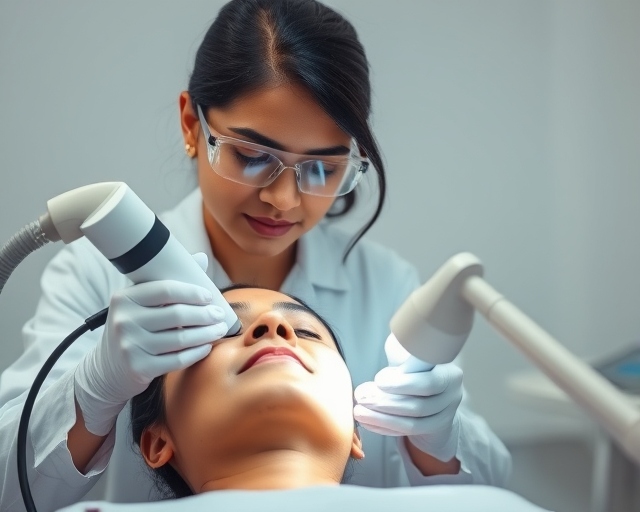
2. Targeted Phototherapy (Narrowband UVB – 311nm)
Exposes affected skin to a specific, narrow wavelength of ultraviolet B light ($311\text{ nm}$).
- Mechanism: NB-UVB penetrates the upper dermis to induce T-lymphocyte apoptosis, downregulate IL-17 production, and slow hyperactive keratinocyte division.
- Safety: Delivers therapeutic UV light without the burning risk or photo-aging potential associated with broad-spectrum UV rays. Ideal for widespread plaque or guttate psoriasis.
3. Systemic Synthetic Immunomodulators
Used for moderate-to-severe disease, widespread involvement, or treatment-resistant variants:
- Methotrexate: A folic acid antagonist that suppresses T-cell proliferation and reduces systemic inflammatory signaling. Requires baseline and periodic blood monitoring (CBC, LFT, renal function).
- Apremilast: An oral small-molecule inhibitor of Phosphodiesterase 4 (PDE4) that regulates intracellular cAMP levels, reducing pro-inflammatory TNF-$\alpha$, IL-17, and IL-23 while boosting anti-inflammatory IL-10.
- Acitretin: A systemic oral retinoid that normalizes epidermal cell differentiation, particularly effective for hyperkeratotic palmoplantar psoriasis and pustular variants.
4. Targeted Biologic Therapies (Advanced Precision Medicine)
Bio-engineered monoclonal antibodies designed to neutralize key inflammatory cytokines driving the psoriasis cascade.
- IL-17A Inhibitors (Secukinumab / Ixekizumab): Directly neutralize Interleukin-17A, delivering rapid skin clearance (PASI 90 or PASI 100) within 4 to 12 weeks.
- IL-23 Inhibitors (Guselkumab / Risankizumab): Target the p19 subunit of IL-23, providing durable long-term remission with convenient dosing schedules (injections every 8 to 12 weeks).
- TNF-Alpha Inhibitors (Adalimumab / Etanercept): Block systemic TNF-$\alpha$, highly effective for patients presenting with both plaque psoriasis and active psoriatic arthritis.
5. Comprehensive Treatment Selection Matrix for Psoriasis
| Disease Subtype / Severity | Clinical Objective | Primary Recommended Modality | Secondary Synergistic Modality | Expected Onset Timeline |
| Mild Localized Plaque | Local plaque resolution | Topical Calcipotriol + Betamethasone | Ceramide Emollients + Salicylic Acid | 2 – 4 Weeks |
| Moderate Widespread Plaque | Generalized skin clearance | Narrowband UVB (NB-UVB) Phototherapy | Oral Apremilast / Methotrexate | 4 – 8 Weeks |
| Severe Recalcitrant Plaque | Complete clearing (PASI 90/100) | Targeted Biologics (IL-17 / IL-23) | Topical Barrier Maintenance | 2 – 6 Weeks |
| Scalp Psoriasis (Severe) | Scale removal & clearance | Coal Tar + Salicylic Solution | Topical Clobetasol / NB-UVB Comb | 2 – 3 Weeks |
| Palmoplantar Psoriasis | Fissure closure & function | Oral Acitretin / Apremilast | High-potency Steroid Occlusion | 6 – 12 Weeks |
| Psoriatic Arthritis Co-existence | Joint preservation & skin | Biologics (TNF-alpha / IL-17) | Rheumatology Co-Management | 4 – 12 Weeks |
6. Cost Breakdown of Psoriasis Treatment in Hyderabad
Pricing for clinical psoriasis management across top dermatological centers in Hyderabad depends on disease severity, practitioner qualifications, required diagnostic panels, phototherapy frequency, and systemic medication selection:
| Service / Treatment Modality | Scope & Parameters | Estimated Cost Range (INR) | Schedule / Frequency |
| Specialist Dermatologist Consultation | Diagnostic assessment & severity scoring | ₹700 – ₹1,200 | Initial visit & reviews |
| Targeted Topical & Scalp Prescription Kit | Calcipotriol, Steroids, Shampoos | ₹1,500 – ₹3,500 | Monthly supply |
| Narrowband UVB (NB-UVB) Session | Cabinet or localized phototherapy | ₹1,000 – ₹2,500 | 2–3 sessions/week (12–24 courses) |
| Systemic Oral Therapies (Apremilast / MTX) | Oral immunomodulatory tablets | ₹2,000 – ₹6,000 | Monthly medication cost |
| Baseline & Safety Blood Panel | CBC, LFT, KFT, Lipid Profile, TB Gold | ₹2,500 – ₹5,500 | Pre-systemic baseline test |
| Targeted Biologic Injections | Monoclonal antibodies (IL-17/IL-23) | Varies based on dosing & molecule | Per dose (Maintenance every 1–3 mos) |
7. Environmental Factors in Hyderabad & Psoriasis Flares
Managing psoriasis effectively requires addressing environmental triggers common in the Hyderabad region:
Regional Drivers & Protective Guidance
- Dry Winter Climates & Indoor AC Air: Low humidity levels during Hyderabad winters and continuous air conditioning in corporate offices strip essential lipids from the stratum corneum. Dehydrated skin cracks easily, triggering new psoriasis plaques via the Koebner phenomenon. Solution: Apply lipid-replenishing, ceramide-rich emollient ointments within 3 minutes of showering to lock in skin hydration.
- Hard Borewell Water (High TDS): Tap water in expanding residential and tech corridors like Kondapur, Madhapur, Gachibowli, and Kukatpally contains high Total Dissolved Solids (TDS) such as calcium and magnesium. Washing sensitive skin with hard water leaves mineral deposits that irritate plaques, break down the protective barrier, and worsen itching. Solution: Install water softening filters or rinse affected body areas with filtered water.
- Workplace Stress & IT Shift Work: Prolonged workplace stress and night shifts trigger cortisol spikes and elevate pro-inflammatory cytokines (IL-6, TNF-$\alpha$), provoking sudden plaque flares. Solution: Incorporate stress-management techniques, prioritize 7 to 8 hours of sleep, and maintain regular physical exercise.
8. Daily Dermatologist-Approved Psoriasis Care Regimen
To strengthen your skin barrier and support your prescription treatments, adopt this daily home care routine:
9. Frequently Asked Questions (FAQs)
1. What is the most advanced clinical Psoriasis Treatment in Hyderabad?
The most advanced clinical management combines targeted systemic therapies and precision immunomodulation. At Dr. Showrya Gadde Dermatology & Wellness, moderate-to-severe plaque psoriasis is managed using modern Biologics (IL-17 and IL-23 inhibitors), Narrowband UVB (NB-UVB) phototherapy, PDE4 inhibitors (Apremilast), and personalized barrier repair regimens.
2. Can psoriasis be cured permanently?
Psoriasis is a chronic, genetically conditioned autoimmune disease, meaning there is no single permanent “cure” that eliminates the underlying genetic tendency. However, modern dermatological treatments—especially targeted Biologics and systemic therapies—can clear skin lesions completely (PASI 90/100) and maintain long-term disease remission.
3. How much does psoriasis treatment cost in Hyderabad?
At Dr. Showrya Gadde Dermatology & Wellness, specialist consultation fees range from ₹700 to ₹1,200. Targeted topical and scalp care regimens range from ₹1,500 to ₹3,500 per month. Narrowband UVB phototherapy sessions range from ₹1,000 to ₹2,500 per session. Systemic oral medications (Apremilast, Methotrexate) cost ₹2,000 to ₹6,000 monthly, while advanced Biologic biologic injections vary based on dosage and biological molecule selection.
4. What is the difference between dandruff and scalp psoriasis?
Dandruff (seborrheic dermatitis) causes loose, greasy, yellowish flakes on mildly reddened scalp tissue without well-defined borders. Scalp psoriasis presents as thick, silvery-white plaques with sharply demarcated borders that frequently extend beyond the hairline onto the forehead, nape of the neck, or behind the ears.
5. What are Biologics, and how do they treat severe plaque psoriasis?
Biologics are bio-engineered monoclonal antibodies that block specific inflammatory cytokines (such as IL-17A, IL-23, or TNF-alpha) driving the psoriasis cascade. Unlike traditional broad immunosuppressants, Biologics target only the key drivers of cutaneous inflammation, yielding superior skin clearance with high safety.
6. How does Narrowband UVB (NB-UVB) phototherapy work for widespread lesions?
NB-UVB phototherapy exposes affected skin to a specific wavelength of ultraviolet light ($311\text{ nm}$). This precise wavelength suppresses hyperactive T-lymphocytes in the dermis, slows down rapid keratinocyte proliferation, and reduces cutaneous inflammation without the risk of burning associated with broad-spectrum UV rays.
7. How does Hyderabad’s climate and hard tap water impact psoriasis flare-ups?
Dry, low-humidity winter months in Hyderabad strip natural lipids from the stratum corneum, triggering Koebnerization and skin cracking. Furthermore, hard tap water in regions like Kondapur and Madhapur contains high Total Dissolved Solids (TDS) like calcium and magnesium, which disrupt the skin barrier and exacerbate itching.
8. What is Psoriatic Arthritis, and how is it identified during dermatological evaluation?
Psoriatic Arthritis (PsA) is an inflammatory joint condition affecting up to 30% of psoriasis patients. During clinical evaluation, Dr. Showrya Gadde screens for morning joint stiffness, swollen “sausage-like” fingers or toes (dactylitis), heel pain (enthesitis), and nail pitting to ensure early joint protection.
9. Is psoriasis contagious through skin contact or physical touch?
No. Psoriasis is entirely non-contagious. It is an internal autoimmune and autoinflammatory disorder driven by T-cell immune dysregulation. It cannot be transmitted through touch, sharing personal items, swimming, or physical intimacy.
10. What triggers sudden psoriasis flare-ups in working adults?
Common triggers include acute emotional or psychological stress (which releases substance P and cortisol), streptococcal throat infections, skin trauma or scratches (Koebner phenomenon), cold dry weather, smoking, heavy alcohol consumption, and abrupt withdrawal of systemic steroids.
11. What dietary and lifestyle modifications help control psoriasis naturally?
Adopting an anti-inflammatory Mediterranean diet rich in Omega-3 fatty acids, turmeric (curcumin), and leafy greens while avoiding ultra-processed foods, refined sugars, and red meat supports clinical treatments. Weight management, stress-reduction techniques, and smoking cessation significantly reduce systemic inflammation.
12. What is Guttate Psoriasis, and what usually causes it?
Guttate psoriasis appears as small, drop-like red scaly spots scattered across the trunk and limbs. It typically develops abruptly 1 to 3 weeks following a bacterial upper respiratory tract infection, particularly streptococcal pharyngitis (strep throat).
13. Why are oral steroids generally avoided in chronic plaque psoriasis management?
While oral corticosteroids may provide temporary relief, tapering or stopping them frequently triggers a severe, life-threatening rebound flare of generalized pustular psoriasis or erythrodermic psoriasis. Dermatologists avoid oral steroids in favor of targeted non-steroidal agents.
14. How does nail psoriasis manifest, and can it be treated?
Nail psoriasis manifests as tiny thimble-like pitting on the nail plate, subungual hyperkeratosis (debris under the nail), “oil-drop” yellowish discoloration, and nail crumbling. It is effectively treated using high-potency topical steroid-calcipotriol combinations, intralesional injections, or systemic Biologics.
15. Why choose Dr. Showrya Gadde Dermatology & Wellness for Psoriasis Treatment in Hyderabad?
Dr. Showrya Gadde (MBBS, DNB – Dermatology & Venereology) brings postgraduate clinical training and expertise to complex autoimmune diseases. Her clinic in Jubilee Enclave, Kondapur, provides comprehensive care combining diagnostic workups, evidence-based systemic therapies, phototherapy, Biologics, and empathetic long-term patient support.
10. Schedule Your Clinical Psoriasis Assessment
Achieving clear skin and managing psoriasis long-term requires accurate medical diagnosis and specialized dermatological care. If scaly red plaques, scalp irritation, or persistent skin itching are affecting your comfort and daily life, schedule a consultation with Dr. Showrya Gadde at Dr. Showrya Gadde Dermatology & Wellness in Jubilee Enclave, Kondapur, Hyderabad. A clinical evaluation will determine your exact disease severity and establish a safe, targeted path to clear skin and lasting remission.