

Table of Contents
Female Fistula Specialist in Hyderabad | Expert Lady Proctologist
Anorectal health remains one of the most neglected areas of women’s wellness. Due to socio-cultural hesitate, anxiety, and the sensitive nature of conditions like anal fistulas, thousands of women across Hyderabad silently endure severe physical discomfort. Finding an experienced female fistula specialist in Hyderabad is essential—not only for accurate diagnosis and modern treatment, but also for providing a safe, empathetic environment where women can discuss their symptoms without reservation.
Whether you are dealing with a recurring perianal abscess, post-childbirth pelvic complications, or persistent pus discharge, modern proctology offers virtually painless, sphincter-sparing treatments. Today’s state-of-the-art procedures allow women to recover quickly without long hospital stays or high recurrence risks.
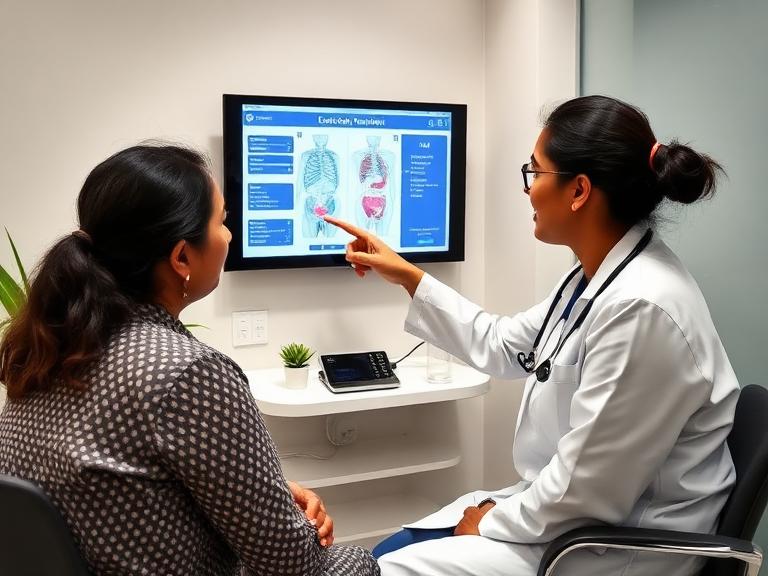
Understanding Anal and Rectovaginal Fistulas in Women
What is an Anal Fistula?
An anal fistula (fistula-in-ano) is an abnormal, infected tunnel-like tract that forms between the internal lining of the anal canal and the outer perianal skin. It typically originates from an infected anal gland that forms a perianal abscess. When the abscess drains—either naturally or surgically—an open pathway may remain, leading to chronic drainage, pain, and discomfort.
+-----------------------------------------------------------------------------------+
|                            ANATOMY OF AN ANAL FISTULA                             |
|                                                                                   |
|        [ Internal Rectal Wall ]                                                   |
|                   |                                                               |
|                   v                                                               |
|         ( Infected Anal Gland )  <=== Primary Source of Infection                 |
|                   |                                                               |
|                   |  =====>  [ Fistula Tunnel / Tract ]                           |
|                   v                                                               |
|        [ External Perianal Skin Opening ]  ===> Persistent Pus/Fluid Drainage     |
+-----------------------------------------------------------------------------------+
What is a Rectovaginal Fistula?
A rectovaginal fistula (RVF) is an abnormal connection that develops between the rectum and the vagina. Gas or feces can leak through the vagina, causing significant distress, recurring urinary tract infections (UTIs), and hygiene challenges. This condition requires specialized expertise from a female proctologist and colorectal surgeon skilled in complex pelvic floor reconstruction.
Why Women Prefer a Female Fistula Specialist in Hyderabad
The choice to consult a lady proctologist or female colorectal surgeon is driven by both emotional comfort and specialized clinical needs:
- Cultural & Personal Comfort: Women often feel more comfortable undergoing intimate clinical examinations when treated by a lady specialist.
- Postpartum Expertise: Obstetric trauma during delivery (such as 3rd or 4th-degree perineal tears) is a primary cause of anorectal issues in women. Female proctologists bring targeted insights into post-childbirth pelvic anatomy.
- Empathetic Consultation: A dedicated female specialist understands how anorectal conditions affect a woman’s daily routine, intimacy, and mental well-being.
- Privacy Protocols: Specialized female proctology clinics in Hyderabad prioritize private consultation chambers and all-female nursing staff.
Common Causes and Risk Factors in Women
Anorectal fistulas in women can stem from several localized and systemic causes:
| Primary Cause | Description / Mechanism | Typical Patient Demographic |
| Clogged Anal Glands | Bacterial accumulation leads to abscess formation; drainage leaves a persistent tract. | Women aged 20–50 years |
| Obstetric Trauma | Difficult vaginal deliveries, prolonged labor, or episiotomy complications causing tears. | Postpartum mothers |
| Crohn’s Disease / IBD | Chronic intestinal inflammation causing deep tissue erosion and complex fistulas. | Individuals with autoimmune conditions |
| Previous Pelvic Surgeries | Surgical interventions near the rectum, vagina, or uterus leading to tissue injury. | Patients post-hysterectomy/pelvic repair |
| Tuberculosis (TB Fistula) | Granulomatous infection affecting the perianal lymphatic nodes and tissue. | Endemic infection cases |
Key Symptoms: When to Consult a Specialist
It is essential to recognize symptoms early to prevent simple fistulas from developing into complex, branching tracts.
- Persistent Perianal Discharge: Continuous or intermittent pus, blood, or foul-smelling fluid staining undergarments.
- Throbbing Pain & Swelling: Constant pain around the anal region that intensifies while sitting, walking, or during bowel movements.
- Recurrent Abscesses: Painful boils or swellings near the anus that rupture, drain, temporarily heal, and reappear.
- Skin Irritation & Itching: Perianal dermatitis caused by constant moisture and purulent discharge.
- Systemic Signs: Low-grade fever, chills, and fatigue associated with active infection.
- Vaginal Discharge of Gas or Stool: A hallmark sign of a rectovaginal fistula requiring immediate evaluation.
Diagnostic Innovations in Modern Female Proctology
Accurate diagnostic mapping is critical for successful fistula treatment. An incomplete understanding of the fistula tract can lead to recurrence.
+----------------------------------------------------------------------------------+
|                            DIAGNOSTIC PATHWAY                                    |
|                                                                                  |
|   1. Clinical & Digital Examination  ==> Evaluates external tract and sphincter tone |
|   2. 3D Endoanal Ultrasound (EAUS)   ==> Maps internal sphincter involvement     |
|   3. High-Resolution Pelvic MRI      ==> Identifies complex branching tracts     |
|   4. Anoscopy / Sigmoidoscopy        ==> Rules out inflammatory bowel disease   |
+----------------------------------------------------------------------------------+
1. High-Resolution Pelvic MRI (MRI Fistulogram)
The gold standard for evaluating complex, high-level, or recurrent fistulas. It provides precise 3D visualization of the primary tract, secondary branches, and relation to the anal sphincter muscles without radiation exposure.
2. 3D Endoanal Ultrasound (EAUS)
A high-frequency ultrasound probe provides detailed cross-sectional views of the internal and external anal sphincters, identifying hidden abscess cavities.
3. Careful Clinical Assessment
Performed gently by a female proctologist using specialized pediatric-sized probes or local anesthetic gels to ensure a painless experience.

Advanced Treatment Options: Sphincter-Preserving Technologies
Traditional open surgery for fistulas often involved cutting sphincter muscles, which carried a risk of bowel incontinence. Modern female proctologists in Hyderabad utilize minimally invasive, sphincter-preserving techniques.
+-----------------------------------------------------------------------------------+
|                        MINIMALLY INVASIVE vs TRADITIONAL                          |
+---------------------------------------+-------------------------------------------+
| Laser Fistula Closure (FiLaC)         | Traditional Open Fistulotomy              |
+---------------------------------------+-------------------------------------------+
| • Zero sphincter cutting              | • Partial muscle cutting required         |
| • Minimal postoperative pain          | • Higher pain and larger open wound       |
| • 1-2 day return to normal activities | • 3-6 weeks recovery time                 |
| • High success rate (>90%)            | • Higher risk of incontinence             |
+---------------------------------------+-------------------------------------------+
1. FiLaC (Fistula-Tract Laser Closure)
FiLaC is a state-of-the-art procedure where diode laser energy is delivered through a flexible 360-degree radial fiber.
- How It Works: The laser energy photothermally shrinks and seals the fistula tract from the inside out.
- Key Benefits: No open wounds, minimal pain, no damage to sphincter muscles, and same-day discharge.
2. LIFT Procedure (Ligation of Intersphincteric Fistula Tract)
The LIFT technique is designed for complex or trans-sphincteric fistulas.
- How It Works: The surgeon accesses the space between the sphincter muscles, isolates the fistula tract, and ligates (ties off) it safely without cutting sphincter fibers.
3. VAAFT (Video-Assisted Anal Fistula Treatment)
VAAFT uses a specialized endoscope (fistuloscope) to visualize the internal structure of the fistula tract on a screen.
- How It Works: The tract is cleaned, fulgurated under direct vision, and sealed using synthetic fibrin glue or laser energy.
4. Advanced Flap Reconstruction (For Rectovaginal Fistulas)
An endorectal advancement flap or mucosal flap is used to cover the internal opening of a rectovaginal fistula. Healthy tissue is transposed over the repaired defect to promote healing and restore normal pelvic floor anatomy.
Step-by-Step Surgical Journey
Understanding the treatment process helps relieve pre-surgery anxiety:
1.Pre-Surgical Evaluation:Duration: 1-2 Hours.
Includes blood tests, a cardiac evaluation, an MRI fistulogram, and a consultation with your female proctologist to finalize the surgical plan.
2.Procedure Day:Duration: 30-45 Minutes.
Performed under short general or spinal anesthesia. The laser fiber is inserted into the fistula tract to seal it cleanly.
3.Immediate Recovery:Duration: 4-6 Hours.
Monitored in a private recovery lounge. Patients are encouraged to mobilize gently and can usually be discharged the same evening.
4.Home Care & Follow-Up:Duration: 7-14 Days.
Involves taking prescribed oral antibiotics, performing warm sitz baths, following a high-fiber diet, and attending a follow-up review.
Post-Operative Care and Lifestyle Recommendations
Proper post-operative care promotes fast recovery and minimizes complications:
- Warm Sitz Baths: Soaking the pelvic area in a tub of warm water for 10–15 minutes, 2-3 times a day, relieves sphincter spasms, maintains hygiene, and improves blood circulation.
- High-Fiber Nutrition: Consume 25-30 grams of fiber daily through leafy greens, oats, lentils, fruits, and chia seeds to keep stools soft and prevent straining.
- Adequate Hydration: Drink 2.5 to 3 liters of water daily to support digestive health.
- Proper Hygiene: Avoid harsh, scented soaps or rough toilet paper. Use warm water or alcohol-free wipes, and pat dry gently.
- Avoid Prolonged Sitting: Use a doughnut cushion if necessary, and take short walking breaks every hour.
Comparing Anorectal Conditions
Anorectal conditions often share overlapping symptoms like pain or bleeding. The table below highlights key differences to help identify your condition:
| Feature | Anal Fistula | Anal Fissure | Piles (Hemorrhoids) | Perianal Abscess |
| Primary Symptom | Persistent pus/blood discharge | Sharp, tearing pain during defecation | Painless bright red bleeding | Painful, throbbing, warm lump |
| Structural Defect | Abnormal tunnel under skin | Longitudinal tear in anal canal | Swollen vascular cushions | Acute collection of pus |
| Visible Sign | Small opening near anus | Visible skin crack/tag | Protruding soft tissue mass | Red, swollen, tender mass |
| Primary Treatment | Laser / LIFT surgery | Medical management / Laser | Laser ablation / Stapler | Urgent surgical drainage |
Preferred Neighborhoods for Consultations in Hyderabad
Leading female proctologists and specialized day-care surgical centers are accessible across key hubs in Hyderabad:
- Banjara Hills & Jubilee Hills: Premium centers offering dedicated women’s proctology suites with complete privacy.
- Hitech City & Gachibowli: Advanced multi-specialty hospitals providing daycare laser procedures for working professionals.
- Kukatpally & Secunderabad: Accessible centers equipped with advanced diagnostic ultrasound and pelvic MRI facilities.

Frequently Asked Questions (15 Detailed FAQs)
Q1: Why should I consult a female fistula specialist in Hyderabad?
A: Consulting a female specialist offers emotional comfort, complete privacy, and clear communication regarding sensitive anorectal health issues. Female proctologists also possess specialized expertise in post-childbirth pelvic floor injuries and rectovaginal fistulas.
Q2: Is laser fistula surgery permanent?
A: Yes. FiLaC (Fistula-Tract Laser Closure) has a success rate exceeding 90% when performed by an experienced surgeon. The laser obliterates the tract lining and closes the internal opening, significantly reducing recurrence risks compared to traditional methods.
Q3: What is the main difference between an anal fissure and an anal fistula?
A: An anal fissure is a small tear in the lining of the anal canal that causes severe, sharp pain during bowel movements. An anal fistula is an infected tunnel connecting an internal anal gland to an external opening on the perianal skin, causing continuous pus drainage.
Q4: Can an anal fistula heal on its own without surgery?
A: No. An established fistula tract is lined with epithelial or granulation tissue that prevents spontaneous closure. Antibiotics can treat surrounding skin infections temporarily, but surgical or laser elimination of the tract is necessary for a permanent cure.
Q5: What causes a rectovaginal fistula in women?
A: Rectovaginal fistulas are commonly caused by obstetric trauma during difficult childbirth (e.g., severe perineal tears), Crohn’s disease, pelvic radiation therapy, or complications from previous gynecological surgeries.
Q6: How long does recovery take after laser fistula treatment?
A: Most patients resume light home activities within 24 to 48 hours. You can typically return to office work within 3 to 5 days. Full internal tissue healing usually takes about 2 to 4 weeks.
Q7: Does laser fistula treatment cause bowel incontinence?
A: No. Unlike traditional open surgery (fistulotomy), which cuts through anal sphincter muscles, laser treatment preserves the sphincter muscle structure, keeping bowel control intact.
Q8: How is an anal fistula diagnosed in women?
A: Diagnosis involves a gentle visual and digital examination by the specialist, followed by a high-resolution Pelvic MRI or 3D Endoanal Ultrasound to map the exact course of the tract and its internal opening.
Q9: Is fistula surgery covered by health insurance plans in Hyderabad?
A: Yes, fistula surgery (including modern laser procedures) is considered a medically necessary therapeutic treatment and is covered by major health insurance companies and TPA providers in Hyderabad. Cashless facility options are usually available at panel hospitals.
Q10: What diet should I follow after fistula surgery?
A: Focus on a high-fiber diet consisting of fresh fruits, leafy vegetables, whole grains, and legumes. Drink at least 2.5 to 3 liters of water daily to keep stools soft and prevent painful straining during bowel movements.
Q11: Can pregnancy trigger or worsen a perianal fistula?
A: Yes. Increased intra-abdominal pressure during pregnancy, coupled with constipation and pelvic blood vessel engorgement, can aggravate perianal conditions or trigger an abscess. Pre-conception screening is recommended for women with a history of anorectal issues.
Q12: What are the early warning signs that a perianal abscess is becoming a fistula?
A: If a painful, swollen boil near the anus bursts and continues to drain pus or fluid for more than two weeks without fully healing, a fistula tract has likely formed.
Q13: How do I select the best lady doctor for fistula treatment in Hyderabad?
A: Look for board-certified general or colorectal surgeons who possess specialized training in proctology, extensive experience with laser procedures, access to modern clinical facilities, and positive patient feedback.
Q14: Are consultations confidential for sensitive anorectal issues?
A: Yes. Reputable proctology centers in Hyderabad uphold strict patient confidentiality with private consultation rooms, female chaperones, and secure medical record systems.
Q15: How soon can I travel after undergoing laser fistula surgery?
A: Short local commutes are safe within 2 to 3 days post-surgery. For long-distance road trips or air travel, it is best to wait 7 to 10 days until initial tissue healing is confirmed by your surgeon.
Conclusion
Living with a painful, draining fistula is unnecessary when precise, minimally invasive treatments are readily available. Consulting an experienced female fistula specialist in Hyderabad offers a comfortable diagnostic experience, individualized treatment plans, and modern laser procedures designed to restore your health with minimal downtime. Do not let embarrassment delay your care—schedule a confidential consultation today to take the first step toward long-term relief and complete recovery.