

Table of Contents
Beginner Yoga Guide | Complete Step-by-Step Yoga for Beginners
Starting yoga can feel confusing at first. With so many poses, styles, and advice available online, beginners often struggle to understand where to begin. The truth is, yoga doesn’t need to be complicated. With the right approach, anyone can start safely and build a consistent practice.
This beginner yoga guide is designed to simplify everything—from understanding basic concepts to learning foundational poses and building a daily routine. Whether you want to practise at home or join a class, this guide will help you take the first step with clarity.
Quick Answer
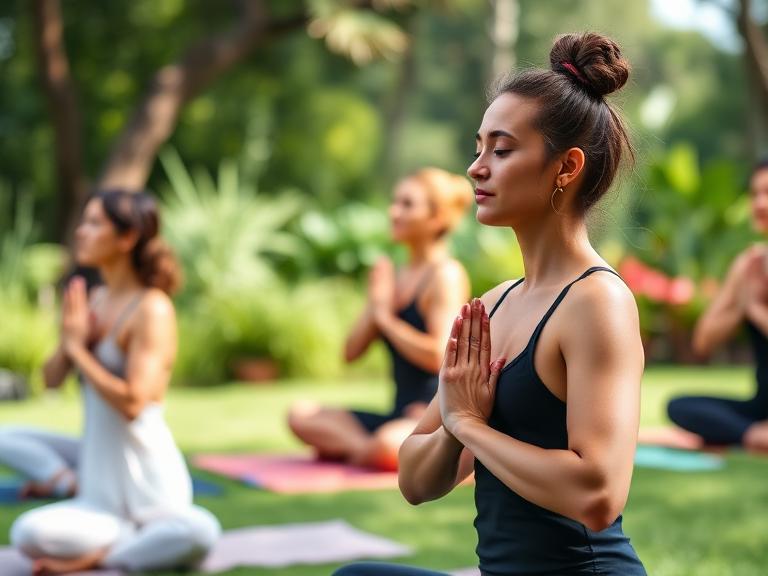
A beginner yoga guide should focus on simple poses, proper breathing, and consistency. Start with basic asanas like Tadasana, Balasana, and Bhujangasana. Practise 2–3 times per week, focus on alignment rather than flexibility, and gradually build your routine. Yoga is most effective when done regularly and without pressure.
What Is Yoga (For Beginners)?
Yoga is not just about stretching or flexibility. It is a balanced practice that includes:
- physical movement (asanas)
- breathing techniques
- relaxation
- awareness
For beginners, yoga is mainly about learning how to move your body safely while improving posture, flexibility, and focus.
Why Beginners Should Start Yoga
Yoga is one of the easiest and safest ways to begin a fitness routine.
1. Low impact
Yoga is gentle on joints and suitable for all age groups.
2. No equipment required
You only need a yoga mat and comfortable clothing.
3. Improves flexibility
Regular practice helps loosen tight muscles.
4. Reduces stress
Breathing and relaxation techniques calm the mind.
5. Builds strength
Holding poses strengthens muscles gradually.
This is why many people follow a beginner yoga guide instead of starting with intense workouts.
Common Myths About Yoga
“I need to be flexible to start yoga”
Not true. Flexibility improves with practice.
“Yoga is only for women”
Yoga is suitable for everyone.
“Yoga is too slow to be effective”
Consistent practice can improve strength and fitness.
“I need a trainer to start”
While helpful, beginners can start with basic guidance at home.
Essential Tips Before You Start
Wear comfortable clothing
Choose stretchable, breathable clothes.
Use a yoga mat
It provides grip and comfort.
Start slow
Avoid pushing your body too much.
Focus on breathing
Breathing is a key part of yoga.
Be consistent
Regular practice matters more than intensity.
Basic Yoga Poses for Beginners
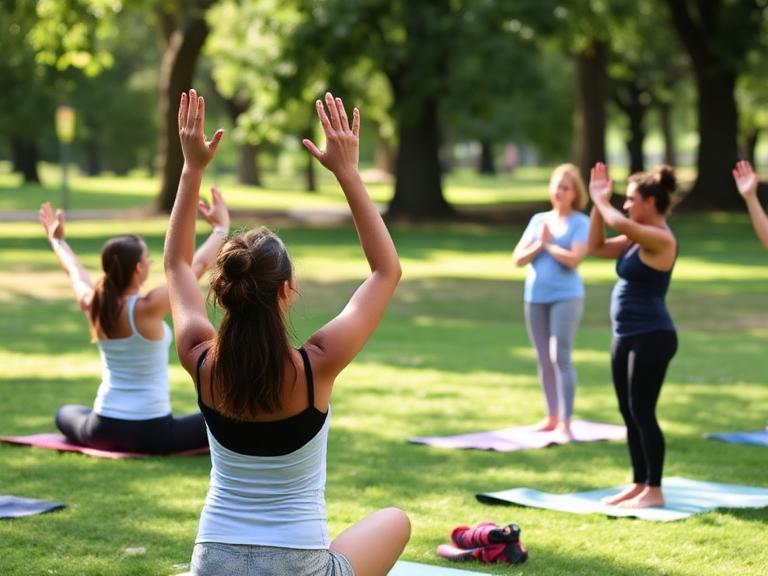
A strong foundation is important in any beginner yoga guide.
1. Tadasana (Mountain Pose)
Purpose
Teaches posture and alignment.
Benefits
- improves balance
- builds awareness
2. Balasana (Child’s Pose)
Purpose
A resting pose for relaxation.
Benefits
- reduces tension
- stretches back
3. Bhujangasana (Cobra Pose)
Purpose
Introduces gentle backbending.
Benefits
- improves posture
- strengthens spine
4. Cat-Cow Stretch
Purpose
Improves spinal movement.
Benefits
- increases flexibility
- warms up the body
5. Adho Mukha Svanasana (Downward Dog)
Purpose
A full-body stretch.
Benefits
- strengthens arms and legs
- improves circulation
6. Vrikshasana (Tree Pose)
Purpose
Improves balance and focus.
7. Setu Bandhasana (Bridge Pose)
Purpose
Strengthens lower body.
8. Shavasana (Relaxation Pose)
Purpose
Allows the body to rest and recover.
Beginner Yoga Routine (Step-by-Step)
This simple routine can be followed at home.
Step 1: Warm-up (5 minutes)
Gentle stretching and breathing.
Step 2: Basic poses (15–20 minutes)
- Tadasana
- Cat-Cow
- Cobra Pose
- Downward Dog
Step 3: Balance pose
Tree Pose.
Step 4: Floor pose
Bridge Pose.
Step 5: Relaxation
Shavasana for 5–10 minutes.
How Often Should Beginners Practise Yoga?
- Start with 2–3 times per week
- Increase gradually
- Focus on consistency
Even short sessions can be effective.
Breathing Techniques for Beginners
Breathing is a key part of this beginner yoga guide.
Basic breathing method
- Inhale slowly through the nose
- Exhale gently
- Sync breath with movement
Benefits of Following a Beginner Yoga Guide
Physical benefits
- improved flexibility
- better posture
- increased strength
Mental benefits
- reduced stress
- improved focus
Lifestyle benefits
- better sleep
- improved energy levels
Common Mistakes Beginners Make
Skipping warm-ups
Always prepare your body.
Holding breath
Breathing should be natural.
Comparing with others
Progress is personal.
Trying advanced poses
Stick to basics first.
Home Yoga vs Yoga Classes
Home yoga
Pros:
- flexible timing
- convenient
Cons:
- lack of guidance
Yoga classes
Pros:
- structured sessions
- instructor guidance
Cons:
- fixed schedule
Many beginners start at home and later join classes for better guidance.
Who Should Follow This Beginner Yoga Guide
Beginners
No prior experience needed.
Working professionals
Helps reduce stiffness from long hours.
Women
Supports flexibility and relaxation.
Seniors
Gentle yoga improves mobility.
How to Stay Consistent
- set a fixed time
- start small
- track progress
- keep goals realistic
Consistency is more important than intensity.
When Will You See Results?
- flexibility improves in a few weeks
- strength builds gradually
- mental benefits appear early
FAQs
1. Can beginners do yoga at home?
Yes, basic yoga can be practised safely at home.
2. How long should a beginner yoga session be?
20–30 minutes is a good starting point.
3. Do I need flexibility to start?
No, flexibility improves with practice.
4. Is yoga better than gym workouts?
Yoga is a gentle and sustainable option for beginners.
5. What is the best time for yoga?
Morning or evening based on convenience.
6. Can I practise yoga daily?
Yes, if done correctly.
7. Do I need a yoga teacher?
Not necessary, but helpful.
8. What should I eat before yoga?
Light meals or practise on an empty stomach.