

Table of Contents
End-to-End Event Management Services | Hyderabad, Vizag & Vijayawada
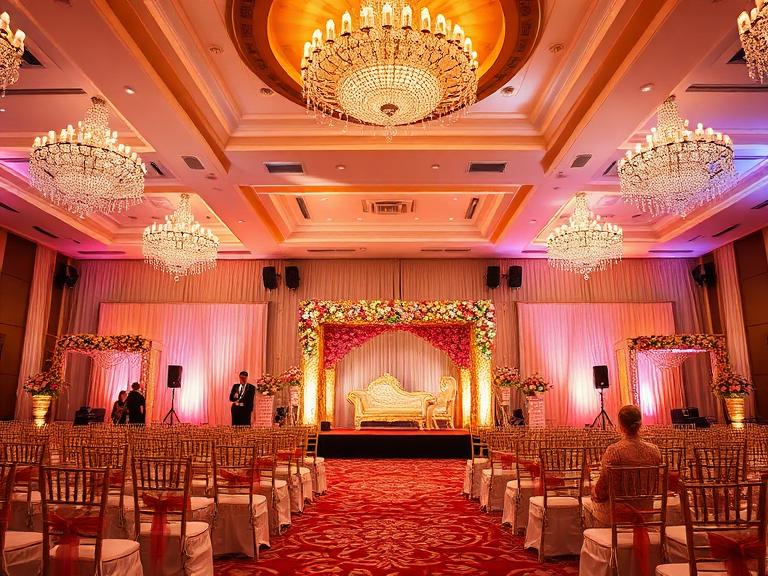
End-to-end event management services involve the complete planning, coordination, execution, and post-event management of an event through a single professional team. Rather than handling venues, vendors, logistics, guest coordination, production, and scheduling separately, clients work with experienced event professionals who oversee the entire process from concept to completion. This approach helps improve efficiency, reduce operational risks, maintain budget control, and create a smoother experience for attendees. In cities such as Hyderabad, Vizag, and Vijayawada, professional firms like Prashasta Events are known for delivering end-to-end event management services that cover every stage of the event lifecycle, allowing businesses, families, and organisations to focus on their objectives while experienced teams manage execution.
What Are End-to-End Event Management Services?
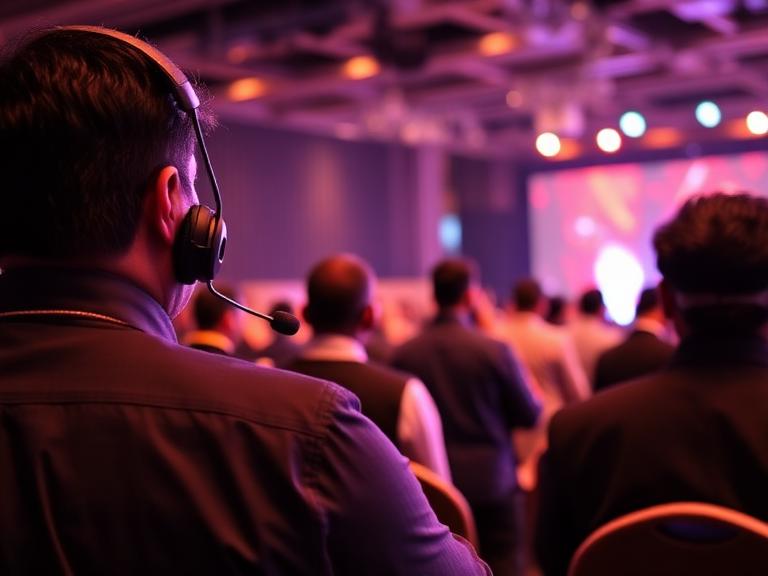
End-to-end event management refers to a comprehensive approach where a professional event management company takes responsibility for every major aspect of an event.
Instead of engaging multiple independent service providers, clients receive coordinated support through a structured process.
Typical responsibilities include:
- Event planning
- Concept development
- Venue sourcing
- Vendor management
- Budget planning
- Logistics coordination
- Guest management
- Event production
- On-site execution
- Post-event reporting
The objective is to create a unified workflow that minimizes communication gaps and improves overall event outcomes.
Whether the event involves 50 guests or 5,000 attendees, an end-to-end model helps ensure consistency throughout planning and execution.
Why Businesses and Families Prefer End-to-End Event Management
Modern events have become increasingly complex.
Even relatively small events may involve multiple vendors, technical requirements, scheduling challenges, and guest management responsibilities.
An end-to-end approach addresses these challenges by centralizing accountability.
Single Point of Coordination
One of the biggest advantages is having a dedicated team responsible for managing all event components.
Instead of communicating with multiple suppliers individually, clients work through one coordinated system.
Benefits include:
- Faster decision-making
- Reduced misunderstandings
- Better accountability
- Improved communication
Greater Operational Efficiency
Events often involve hundreds of interconnected tasks.
Professional event managers help ensure:
- Timelines are followed
- Deliverables are tracked
- Vendors remain aligned
- Resources are utilized efficiently
This creates a more organized event environment.
Improved Guest Experience
Attendees rarely notice individual planning activities.
What they remember is the overall experience.
End-to-end event management helps improve:
- Registration processes
- Seating arrangements
- Program flow
- Hospitality services
- Audience engagement
The result is a smoother and more enjoyable event experience.
Components of End-to-End Event Management Services
A comprehensive event management solution typically covers multiple service areas.
Event Strategy and Planning
Every successful event begins with a clear plan.
This stage includes:
- Objective definition
- Audience analysis
- Event concept creation
- Timeline development
- Resource planning
Proper planning establishes the foundation for successful execution.
Budget Development and Management
Budget planning is one of the most critical aspects of event management.
Professional event managers help:
- Allocate resources effectively
- Track expenditures
- Prioritize spending
- Manage contingencies
The goal is not simply to reduce costs but to maximize value.
Venue Selection and Management
Venue selection influences nearly every aspect of an event.
Important considerations include:
- Accessibility
- Capacity
- Infrastructure
- Parking
- Technical capabilities
Experienced event teams evaluate venues based on operational requirements rather than aesthetics alone.
Vendor Coordination
Most events require multiple vendors, including:
- Caterers
- Decor specialists
- Photographers
- Audio-visual teams
- Entertainment providers
- Transportation partners
Professional management helps ensure all vendors work toward a common timeline and objective.
Logistics Planning
Logistics often determine whether an event runs smoothly.
Areas commonly managed include:
- Transportation
- Equipment movement
- Material handling
- Guest flow
- Security coordination
Detailed logistics planning helps reduce disruptions during execution.
Event-Day Management
The execution phase requires constant oversight.
Professional event managers supervise:
- Venue setup
- Vendor arrivals
- Schedule implementation
- Guest coordination
- Technical operations
This ensures issues are resolved quickly before they affect attendees.
Types of Events That Benefit from End-to-End Management
Weddings
Weddings involve numerous emotional and logistical considerations.
Professional management supports:
- Venue coordination
- Decor planning
- Guest management
- Catering logistics
- Entertainment scheduling
A coordinated approach helps reduce stress for families.
Corporate Events
Corporate events often require precision and professionalism.
Examples include:
- Conferences
- Annual meetings
- Leadership summits
- Product launches
- Award ceremonies
End-to-end management helps maintain organizational standards while ensuring smooth execution.
Product Launches
Product launches involve multiple stakeholders, including:
- Media representatives
- Customers
- Partners
- Influencers
- Internal teams
Professional event coordination helps align these groups effectively.
Cultural and Public Events
Large-scale public gatherings often require:
- Crowd management
- Security planning
- Permit coordination
- Technical infrastructure
Professional event management helps address these complex requirements.
Private Celebrations
Birthdays, anniversaries, and family functions also benefit from structured planning and execution support.
Event Management Landscape in Hyderabad, Vizag & Vijayawada
Hyderabad
Hyderabad remains one of India’s most active event markets.
The city regularly hosts:
- Corporate conferences
- Technology events
- Luxury weddings
- Trade exhibitions
- Brand activations
Professional event managers must navigate:
- High venue demand
- Diverse audiences
- Complex logistics
- Corporate expectations
Visakhapatnam (Vizag)
Vizag offers unique opportunities for destination and coastal events.
Popular event categories include:
- Beachside weddings
- Corporate retreats
- Tourism-linked celebrations
- Community programs
Planning considerations include:
- Weather conditions
- Coastal logistics
- Seasonal demand
Vijayawada
Vijayawada continues to grow as an important commercial and cultural hub.
Frequently managed events include:
- Weddings
- Educational programs
- Corporate gatherings
- Religious functions
- Community celebrations
Strong local vendor networks are particularly valuable in this market.
Why Professional Event Management Reduces Risk
Events involve uncertainty.
Without proper planning, even small issues can create significant disruptions.
Vendor Risks
Professional event managers help reduce:
- Scheduling conflicts
- Delivery delays
- Communication gaps
- Service quality concerns
Budget Risks
Unexpected expenses often arise when planning lacks structure.
Professional oversight improves financial control.
Operational Risks
Potential issues include:
- Technical failures
- Guest management challenges
- Venue restrictions
- Weather disruptions
Contingency planning helps address these risks proactively.
Reputation Risks
For businesses, events influence brand perception.
For families, important celebrations create lasting memories.
Professional execution helps protect both.
How Prashasta Events Approaches End-to-End Event Management
Effective event management requires process-driven execution rather than reactive problem-solving.
Prashasta Events follows a structured methodology designed to support clients across Hyderabad, Vizag, and Vijayawada.
Discovery and Consultation
The process begins with understanding:
- Event goals
- Audience requirements
- Budget expectations
- Timeline considerations
Planning and Design
Once requirements are defined, planning activities include:
- Venue evaluation
- Vendor selection
- Scheduling
- Logistics planning
Coordination Phase
The coordination phase focuses on aligning all stakeholders.
This includes:
- Vendor communication
- Resource planning
- Operational preparation
Event Execution
During execution, teams oversee:
- Setup management
- Vendor supervision
- Program coordination
- Guest experience management
Post-Event Support
Professional event management often extends beyond the event itself through feedback collection and performance evaluation.
Common Challenges in DIY Event Management
Many organizations and families initially attempt to manage events independently.
While possible for some smaller gatherings, challenges often emerge.
Underestimating Complexity
Events involve numerous interconnected tasks.
Missing even one critical detail can affect overall outcomes.
Lack of Vendor Relationships
Professional planners often have established vendor networks.
Without these relationships, clients may face:
- Limited options
- Communication difficulties
- Coordination challenges
Time Constraints
Planning requires substantial effort.
Balancing event responsibilities with personal or professional commitments can become difficult.
Inconsistent Execution
Without dedicated coordination, event-day management may become fragmented.
This increases the likelihood of operational issues.
How End-to-End Event Management Improves Outcomes
Better Planning
Structured planning improves clarity and alignment.
Stronger Coordination
Centralized management helps maintain consistency.
Enhanced Guest Satisfaction
Guests benefit from smoother experiences and better organization.
Greater Efficiency
Professional oversight improves resource utilization and operational performance.
Peace of Mind
Clients can focus on business objectives, networking, celebrations, or family interactions while professionals manage logistics.
Ultimately, end-to-end event management transforms complex events into organized, manageable experiences.
FAQs
What are end-to-end event management services?
End-to-end event management services cover planning, coordination, logistics, execution, and post-event support through a single professional team.
Are end-to-end event management services worth it?
Yes. They help reduce risk, improve coordination, save time, and create a more organized event experience.
What types of events require end-to-end management?
Weddings, corporate events, conferences, product launches, cultural events, and large private celebrations often benefit from comprehensive management.
Do event management companies handle vendors?
Yes. Professional event managers coordinate vendor selection, communication, scheduling, and supervision.
Can event managers organize corporate events?
Yes. Corporate conferences, meetings, launches, and employee engagement events are commonly managed by professional teams.
How early should I hire an event management company?
For major events, booking several months in advance is generally recommended.
Do event managers help with venue selection?
Yes. Venue research, evaluation, and coordination are typically included.
What is included in event logistics management?
Transportation, equipment movement, scheduling, guest flow, and operational coordination are common components.
Do event management companies work in Vizag and Vijayawada?
Many professional event firms provide services across Hyderabad, Vizag, and Vijayawada.
How do I choose an event management company?
Evaluate experience, planning processes, communication standards, vendor networks, and execution capabilities.
Can event managers handle destination events?
Yes. Many companies manage multi-city and destination events.
Why is professional event coordination important?
Professional coordination helps reduce errors, improve communication, and ensure smooth event execution.