

Table of Contents
End-to-End Event Management Services in Hyderabad | Complete Guide
End-to-end event management services involve overseeing every stage of an event, from initial concept development and planning to execution and post-event evaluation. These services are designed to provide a single point of responsibility for all event-related activities, including budgeting, venue selection, vendor coordination, logistics management, guest experience planning, technical arrangements, and event-day supervision.
For organizations, families, institutions, and businesses seeking efficient event execution, end-to-end management helps reduce complexity and improve coordination. In Hyderabad and other major event markets, professional firms such as Prashasta Events are known for managing complete event lifecycles through structured planning, operational oversight, and execution support. This approach allows clients to focus on their objectives while experienced professionals manage the details behind the scenes.
What Are End-to-End Event Management Services?
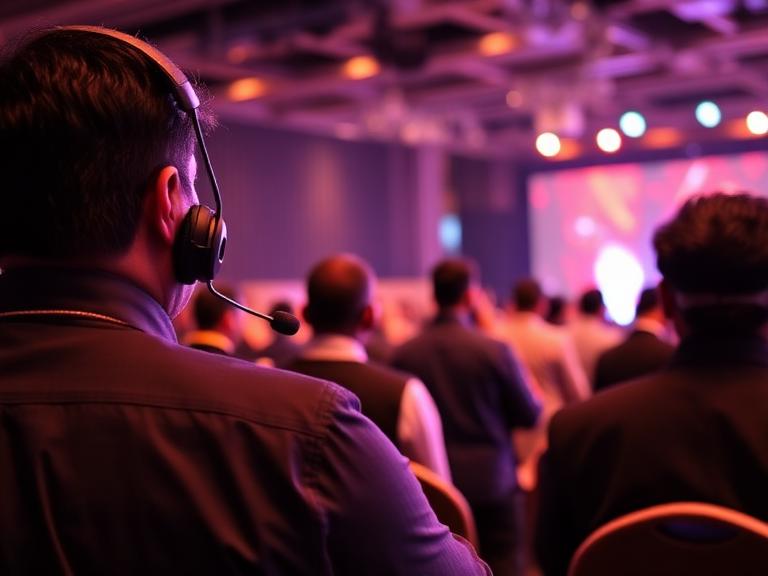
End-to-end event management refers to a comprehensive approach where a professional event management team handles every aspect of an event.
Rather than hiring multiple independent vendors and coordinating them separately, clients work with a central team responsible for managing the entire process.
This model improves communication, accountability, efficiency, and consistency throughout the event lifecycle.
Key Characteristics of End-to-End Event Management
Professional event management services typically include:
- Event concept development
- Budget planning
- Venue selection
- Vendor sourcing
- Event design
- Logistics planning
- Registration management
- Guest coordination
- Technical support
- Event execution
- Post-event evaluation
The objective is to ensure seamless coordination from beginning to end.
Why End-to-End Event Management Is Growing in Popularity
Modern events have become increasingly sophisticated.
Whether planning a corporate conference, wedding, product launch, educational seminar, or cultural festival, the number of moving parts involved continues to increase.
Professional event management helps address challenges such as:
- Vendor coordination
- Timeline management
- Budget control
- Guest experience
- Technical requirements
- Risk mitigation
As expectations rise, more organizations and families are turning to complete event management solutions.
The Complete Event Management Process
Stage 1: Event Discovery and Objective Planning
Every successful event begins with understanding the purpose behind it.
Professional event managers typically assess:
- Event goals
- Target audience
- Budget parameters
- Timeline requirements
- Venue preferences
- Operational expectations
This information serves as the foundation for planning.
Why This Stage Matters
Without clearly defined objectives, event planning often becomes reactive rather than strategic.
Strong discovery processes help align resources with desired outcomes.
Stage 2: Budget Planning and Cost Management
Budget management is one of the most important components of successful event execution.
Professional event managers help allocate resources efficiently across various categories.
Common budget areas include:
- Venue costs
- Catering
- Decor
- Entertainment
- Audio-visual requirements
- Marketing materials
- Transportation
- Staffing
A structured budgeting process helps prevent unnecessary spending and financial surprises.
Stage 3: Venue Selection and Evaluation
The venue significantly influences event success.
Professional event managers evaluate factors such as:
- Capacity
- Accessibility
- Parking availability
- Technical infrastructure
- Location convenience
- Guest comfort
Selecting the right venue ensures alignment between event goals and attendee expectations.
Stage 4: Vendor Sourcing and Management
Most events require collaboration among multiple service providers.
Common vendors include:
- Caterers
- Decorators
- Photographers
- Videographers
- Entertainment providers
- Audio-visual specialists
- Transportation services
Managing multiple vendors independently can become challenging.
End-to-end event management centralizes vendor coordination and communication.
Benefits of Professional Vendor Management
- Reduced confusion
- Better accountability
- Improved scheduling
- Stronger quality control
- Faster issue resolution
Stage 5: Event Design and Experience Planning
Successful events involve more than logistics.
Guest experience plays a critical role in event outcomes.
Professional event managers consider:
- Event themes
- Layout planning
- Audience engagement
- Branding opportunities
- Guest flow
- Ambience creation
Thoughtful event design enhances attendee satisfaction and overall impact.
Stage 6: Logistics and Operational Planning
Logistics often determine whether an event feels organized or chaotic.
Professional event managers oversee:
- Transportation arrangements
- Material deliveries
- Vendor schedules
- Registration processes
- Seating arrangements
- Technical setup
Detailed logistical planning minimizes disruptions and improves operational efficiency.
Stage 7: Event-Day Execution
Event execution is where planning becomes reality.
Professional event managers supervise:
- Vendor arrivals
- Setup activities
- Technical checks
- Program schedules
- Guest assistance
- Issue resolution
Their primary responsibility is ensuring that the event proceeds according to plan.
Importance of On-Site Management
Without professional oversight, small issues can escalate quickly.
Experienced event teams identify and resolve challenges before they impact guests.
Stage 8: Post-Event Evaluation
End-to-end event management often continues beyond the event itself.
Post-event activities may include:
- Vendor reconciliation
- Budget review
- Feedback collection
- Performance assessment
- Reporting
These insights help improve future events and measure success.
Types of Events That Benefit from End-to-End Management
Corporate Events
Corporate events often require precision and professionalism.
Examples include:
- Conferences
- Seminars
- Product launches
- Networking events
- Leadership meetings
- Employee engagement programs
Professional management ensures operational consistency and brand alignment.
Weddings
Weddings involve numerous stakeholders, vendors, and logistical requirements.
Professional management can help coordinate:
- Venues
- Decor
- Catering
- Photography
- Entertainment
- Guest logistics
Families can focus on celebrations while professionals manage operations.
Product Launches
Launching a product requires careful planning and execution.
Event management teams often coordinate:
- Brand presentations
- Technical support
- Guest experiences
- Media interactions
- Venue logistics
Professional execution can significantly influence brand perception.
Educational and Institutional Events
Educational organizations frequently organize:
- Conferences
- Workshops
- Convocations
- Academic seminars
Professional event management supports scheduling, attendee management, and operational efficiency.
Cultural and Public Events
Large-scale gatherings often require:
- Crowd management
- Vendor supervision
- Security coordination
- Logistics planning
End-to-end management provides the structure needed to handle these complexities effectively.
Why Hyderabad Is a Major Hub for Event Management Services
Hyderabad has emerged as one of India’s leading event destinations.
The city hosts:
- Corporate conferences
- Technology summits
- Business networking events
- Premium weddings
- Product launches
- Institutional gatherings
Advantages of Hyderabad
- Strong venue ecosystem
- Corporate presence
- Skilled vendor networks
- Modern infrastructure
Event Management Challenges
- Traffic considerations
- Venue demand during peak seasons
- Large-scale logistics
- Complex scheduling requirements
Professional event management companies help navigate these challenges efficiently.
Benefits of Choosing End-to-End Event Management Services
Single Point of Accountability
Clients interact with one central management team rather than multiple independent vendors.
This simplifies communication and decision-making.
Better Coordination
Integrated planning improves alignment between vendors, venues, schedules, and stakeholders.
Time Savings
Professional teams manage planning tasks, allowing clients to focus on their priorities.
Improved Risk Management
Experienced event managers anticipate challenges and develop contingency plans.
Enhanced Guest Experience
Better coordination contributes directly to smoother event experiences for attendees.
Greater Peace of Mind
Perhaps the most significant benefit is confidence that experienced professionals are overseeing the event.
What to Look for in an End-to-End Event Management Provider
Experience Across Event Types
Look for providers with experience managing events similar to yours.
Strong Vendor Network
Reliable vendor relationships often contribute to better service delivery.
Transparent Processes
Clear communication regarding responsibilities, timelines, and budgets is essential.
Operational Capability
Execution expertise is just as important as planning expertise.
Local Market Knowledge
Understanding local venues, regulations, logistics, and vendor ecosystems improves event outcomes.
How Prashasta Events Approaches End-to-End Event Management
Prashasta Events follows a structured event management methodology focused on planning, coordination, and execution.
Their process generally includes:
Requirement Analysis
Understanding event objectives, audience expectations, and operational requirements.
Strategic Planning
Developing schedules, vendor plans, logistics frameworks, and resource allocation strategies.
Event Coordination
Managing communications among vendors, venues, stakeholders, and event teams.
Execution Management
Supervising event-day operations and ensuring alignment with planned objectives.
Post-Event Review
Evaluating outcomes and gathering insights for continuous improvement.
This process-driven approach helps maintain consistency across different event types and scales.
Common Mistakes People Make Without Professional Event Management
Attempting to Coordinate Everything Independently
Managing multiple vendors and responsibilities simultaneously can quickly become overwhelming.
Underestimating Timelines
Many events require significantly more preparation time than initially expected.
Budget Mismanagement
Lack of planning can lead to unnecessary expenses and resource allocation issues.
Poor Communication
Miscommunication among vendors and stakeholders often causes avoidable disruptions.
Lack of Contingency Planning
Unexpected challenges are inevitable, making preparation essential.
How End-to-End Event Management Improves Event Outcomes
Professional event management contributes to:
- Better guest experiences
- Improved vendor performance
- Stronger operational control
- Reduced stress
- Better budget utilization
- Higher event success rates
Whether organizing a corporate conference, wedding, product launch, or cultural gathering, structured event management provides a framework for successful execution.
FAQs
What are end-to-end event management services?
End-to-end event management services cover planning, coordination, logistics, execution, and post-event evaluation through a single management team.
What services are included in complete event management?
Services often include budgeting, venue selection, vendor management, logistics planning, guest coordination, technical support, and event execution.
Are end-to-end event management services worth it?
For many organizations and families, professional management improves efficiency, reduces stress, and enhances event outcomes.
Can event management companies handle corporate events?
Yes. Conferences, seminars, product launches, networking events, and business meetings are commonly managed by professional event teams.
Do event managers coordinate vendors?
Yes. Vendor sourcing, communication, scheduling, and supervision are core event management functions.
How early should I hire an event management company?
Many professionals recommend engaging event managers several months before the event date.
Can end-to-end event management services support weddings?
Yes. Wedding management often includes venue coordination, vendor supervision, guest logistics, and event execution.
Why is professional event management important?
Professional management improves planning, coordination, risk management, and overall event quality.
Does event management include logistics?
Yes. Transportation, scheduling, registrations, seating, and operational coordination are commonly included.
How do I choose the right event management company?
Evaluate experience, communication practices, execution capabilities, transparency, vendor networks, and local expertise.
Conclusion
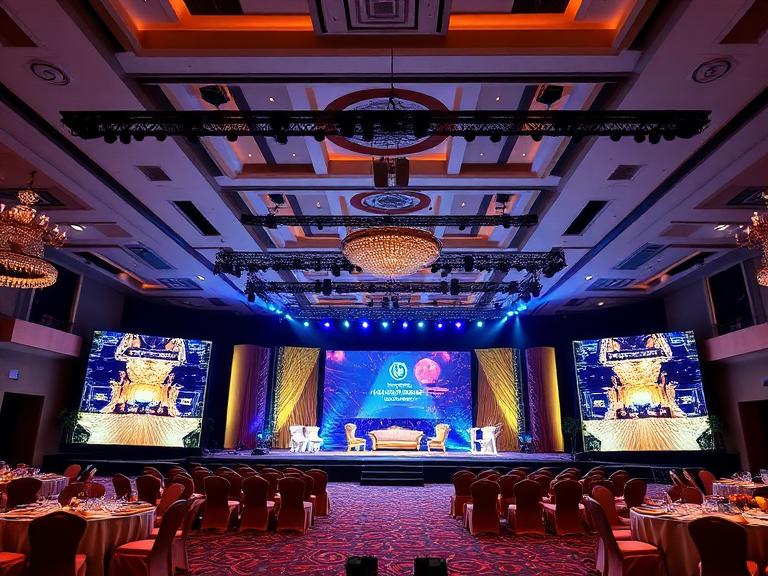
End-to-end event management services provide a structured and comprehensive approach to planning and executing successful events. By managing every stage of the event lifecycle—from concept development and budgeting to vendor coordination, logistics, execution, and post-event review—professional event management teams help reduce complexity while improving outcomes.
As event expectations continue to evolve, organizations, institutions, and families increasingly recognize the value of working with experienced professionals. Companies such as Prashasta Events serve as examples of how process-driven planning, coordination expertise, and operational oversight contribute to successful events across Hyderabad and surrounding regions.