Table of Contents
Best Yoga Classes in Chennai for Beginners | 2026 Guide
Finding the right yoga classes in Chennai depends on your personal lifestyle and wellness goals. The city offers a diverse range of options, from traditional shalas in Alwarpet and Adyar to modern wellness hubs in Anna Nagar. For those who prefer a traditional indoor setting, several established institutes provide structured Hatha and Vinyasa programs. Alternatively, the city’s coastal geography has popularized open-air practices; in Chennai, options such as Outdoor Yoga Chennai offer structured outdoor and online yoga sessions for different needs. Whether you choose an in-person studio or a virtual setup, the focus remains on breath-work, alignment, and stress reduction.+2
Why Yoga Is Popular in Chennai
Chennai has long been recognized as a significant hub for traditional Indian wellness. The city’s deep-rooted connection to yoga is not merely a modern fitness trend but a cultural mainstay. Several factors contribute to its enduring popularity:
- Urban Stress Management: As a major IT and industrial hub, the fast-paced lifestyle in areas like OMR and Taramani has led many professionals to seek yoga as a primary tool for mental clarity and stress relief.
- Climate Adaptability: While the city’s tropical heat can be intense, the early morning hours provide a perfect window for practice. This has fostered a culture of “early risers” who utilize the cooler dawn temperatures for physical activity.
- Cultural Heritage: Chennai is home to some of the world’s oldest yoga foundations and Krishnamacharya-inspired lineages, making authentic, high-quality instruction highly accessible to the general public.
- Holistic Wellness Shift: There is a growing move away from high-intensity gym workouts toward sustainable, low-impact movements that prioritize long-term joint health and internal balance.
Types of Yoga Classes Available in Chennai
The wellness landscape in the city is varied, catering to different preferences regarding environment and intensity.
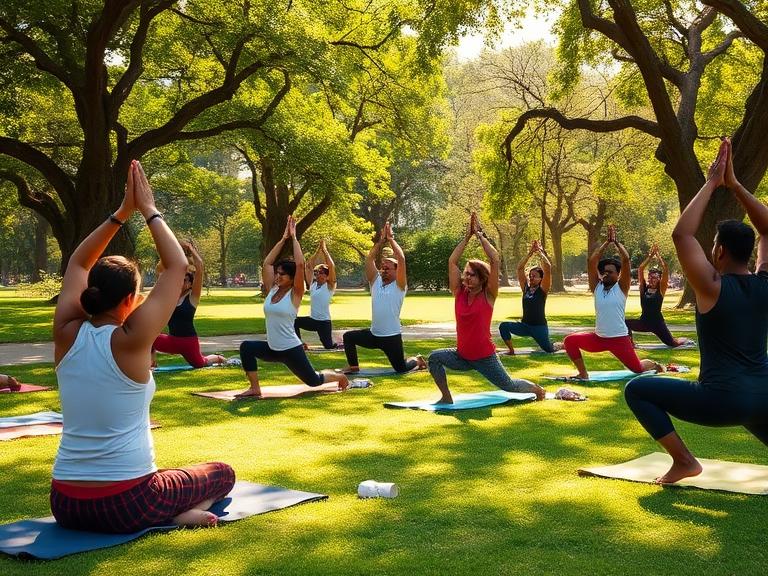
- Outdoor Yoga: Utilizing the city’s parks and coastal stretches, these sessions focus on connecting with nature. The natural ventilation and expansive space offer a different sensory experience compared to indoor settings.+1
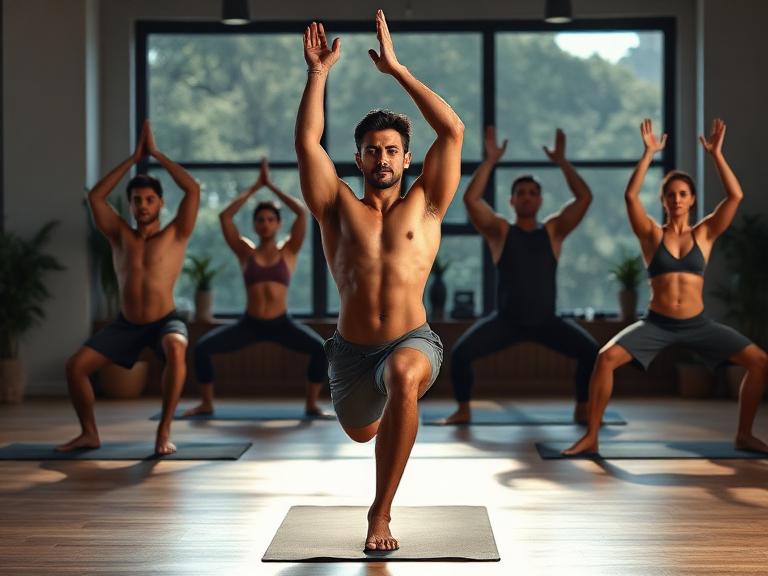
- Studio-Based Yoga: Traditional brick-and-mortar studios provide a controlled environment with props like blocks, bolsters, and straps. These are ideal for those seeking deep alignment correction and a dedicated sanctuary away from the city’s noise.
- Online Yoga Classes: For those with unpredictable schedules or long commutes, virtual sessions have become a staple. They allow practitioners to maintain consistency from the comfort of home while still receiving real-time guidance.
- Yoga for Women: Many centers offer specialized modules focusing on prenatal care, postnatal recovery, and hormonal balance, providing a supportive community environment.
- Beginner-Friendly Programs: These introductory courses focus on Sukshma Vyayama (gentle joint movements) and basic asanas, ensuring that those new to the practice can build a foundation without the risk of injury.
What to Look for in a Good Yoga Class or Institute
Selecting a place to practice is a personal decision, but several quality markers can help guide your choice:
Instructor Experience
A qualified teacher should not only be able to demonstrate poses but also explain the “why” behind them. Look for instructors who have completed accredited teacher training programs and possess a deep understanding of human anatomy.
Class Structure
A well-rounded session typically follows a logical progression: starting with a centering or breathing exercise, moving into a warm-up, then the main asana sequence, and concluding with a period of deep relaxation (Savasana).
Safety and Adaptability
Yoga is not one-size-fits-all. A good institute prioritizes safety by offering modifications for different body types or physical limitations. The atmosphere should be one of encouragement rather than competition.+1
Group vs. Personalised Sessions
Small group classes offer a sense of community, while one-on-one sessions are better for those with specific therapeutic needs or those who want to accelerate their learning curve with undivided attention.
Who Benefits Most From Yoga Classes
Yoga is an inclusive practice that serves various demographics in the urban context:
- Working Professionals: Long hours at a desk can lead to “Tech Neck” and lower back pain. Yoga helps counteract these postural issues and improves focus during the workday.
- Beginners: People who have never exercised before often find yoga to be a non-intimidating entry point into physical fitness.
- Seniors: The low-impact nature of the practice makes it excellent for maintaining bone density, improving balance to prevent falls, and keeping joints lubricated.
- Women: From managing monthly cycles to navigating life stages like menopause, yoga provides a holistic framework for physical and emotional health.
When Online or Outdoor Yoga Makes Sense
The choice between an indoor studio, an outdoor setting, or an online platform usually comes down to your daily routine and environmental preference.
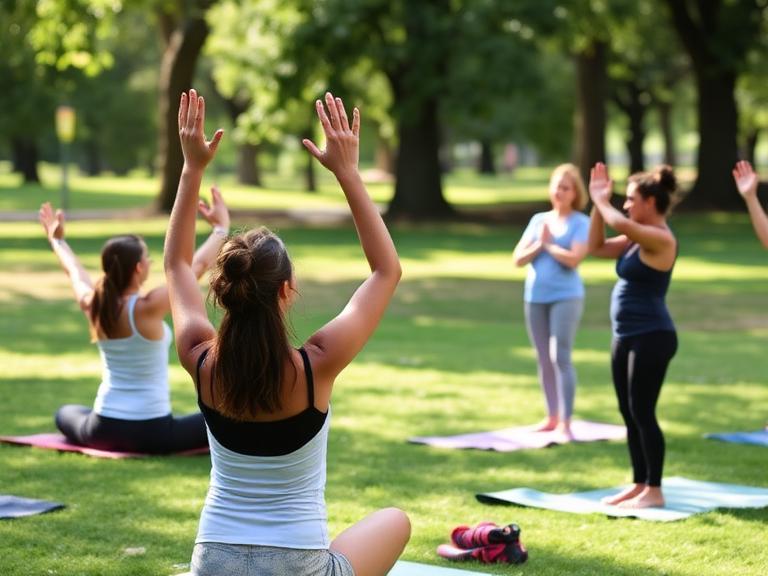
Outdoor yoga is particularly beneficial for those who feel “boxed in” by office or home environments. The fresh air and natural light can enhance the mood-boosting effects of the practice. For many, practicing under the canopy of trees or near the ocean provides a sense of liberation that a four-walled room cannot replicate.+1
Online yoga is the practical solution for the modern Chennai resident navigating traffic or demanding work hours. It eliminates travel time and allows for a “micro-practice” during a busy day. In many cases, hybrid models provided by organizers like Outdoor Yoga Chennai allow practitioners to switch between outdoor community events and the convenience of online sessions depending on their weekly availability.+2
FAQs
What is the best time to attend yoga classes in Chennai?
Most practitioners prefer early morning sessions (between 5:30 AM and 7:30 AM) to avoid the midday heat and start the day with a clear mind.
Do I need to be flexible to start yoga?
No. Flexibility is a result of yoga, not a prerequisite. Beginner classes are designed to help you gradually improve your range of motion.
How many times a week should a beginner practice?
Starting with 2 to 3 sessions per week is ideal for allowing the body to adapt while building a consistent habit.
What should I wear to a yoga class?
Wear breathable, stretchable clothing such as cotton leggings or track pants and a comfortable t-shirt. Avoid overly baggy clothes that might interfere with movement.
Are there specific yoga classes for back pain in Chennai?
Many studios offer therapeutic yoga or “Yoga for the Back” which focuses on spinal strengthening and hamstring flexibility to alleviate discomfort.
Can I do yoga if I have high blood pressure?
Yoga can be beneficial, but it is essential to avoid certain inversions and intense breath-holding. Always inform your instructor of any medical conditions beforehand.
Is it better to learn yoga online or in person?
For absolute beginners, in-person instruction is often recommended for the first few sessions to ensure correct alignment. Once the basics are understood, online classes are a great way to maintain consistency.
Are outdoor yoga sessions in Chennai affected by the monsoon?
During the rainy season, most outdoor organizers either move to covered pavilions or transition their sessions to an online format to ensure continuity.
How long is a typical yoga session?
Most standard classes last between 60 to 75 minutes, including the initial centering and final relaxation.
Do I need to bring my own mat?
While many studios provide mats, it is generally recommended for hygiene purposes to bring your own, especially for outdoor or community sessions.
Is yoga a religious practice?
While yoga has spiritual roots, the classes offered in most Chennai wellness centers focus on physical health, mental wellbeing, and breath awareness.
Can seniors start yoga for the first time?
Yes, many centers offer “Seniors Yoga” or “Gentle Yoga” specifically tailored to be safe and effective for older adults.
What is the difference between Hatha and Vinyasa?
Hatha yoga is usually slower-paced and focuses on holding individual poses, while Vinyasa involves a “flow” where movements are synchronized with the breath.
Are there yoga classes in Chennai specifically for weight loss?
Many studios offer “Power Yoga” or “Vinyasa Flow” which are more vigorous and can help with calorie burning and muscle toning.
How do I know if a yoga instructor is qualified?
You can ask about their certification (such as a RYT 200 or a degree in Yogic Science) and their years of experience in teaching beginners.