

Table of Contents
Comprehensive Guide to EV Station Management: Infrastructure, Software, and Operations
The rapid adoption of electric mobility has shifted electric vehicle (EV) charging from a simple commercial amenity into a sophisticated critical infrastructure sector. Modern EV station management encompasses hardware orchestration, real-time cloud management, complex grid load balancing, automated billing, and operational uptime maintenance. Managing an EV charging hub efficiently requires seamlessly bridging hardware engineering, cloud-native backends, utility tariffs, and EV driver support.
Whether you operate commercial real estate fleets, workplace charging, municipal transit hubs, or nationwide public fast-charging networks, establishing a robust EV station management strategy is essential to achieving maximum site uptime, low operational costs, and high investment returns.
What is EV Station Management?
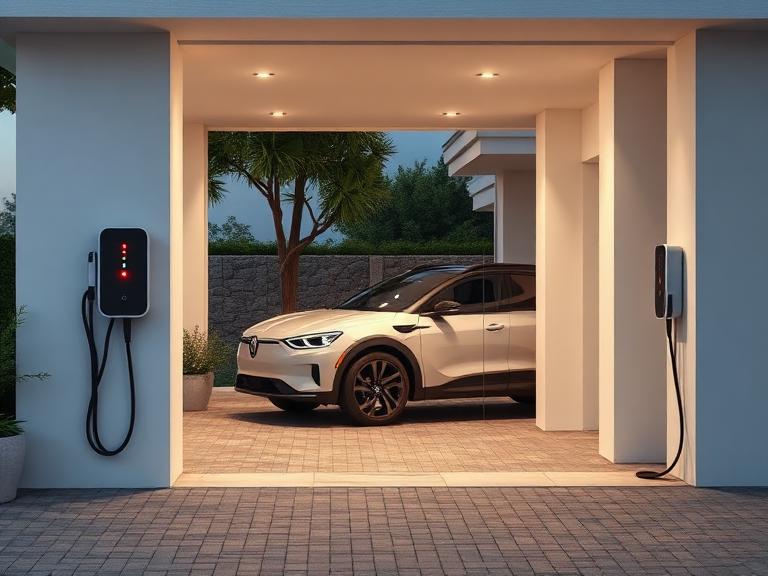
EV station management refers to the end-to-end operational, technical, and financial oversight required to deploy, run, and scale electric vehicle charging locations. It combines hardware maintenance with a centralized cloud backend—commonly referred to as a Charge Point Management System (CPMS)—to monitor charger health, distribute power, bill drivers, and interact with utility grids in real time.
+-----------------------------------------------------------------------------------+
|                            EV DRIVER & FLEET USER                                 |
|                       Mobile App  |  RFID Card  |  Plug & Charge                  |
+-----------------------------------------------------------------------------------+
                                          |
                                          | (OCPI / App Requests)
                                          v
+-----------------------------------------------------------------------------------+
|                        EV STATION MANAGEMENT SYSTEM (CPMS)                        |
|                                                                                   |
|   +-----------------------+   +----------------------+   +--------------------+   |
|   | Telemetry & Uptime    |   | Tariff & Billing     |   | Smart Energy / DLM |   |
|   | Monitoring & Faults   |   | Engine (Payment Gate)|   | Grid Integration   |   |
|   +-----------------------+   +----------------------+   +--------------------+   |
+-----------------------------------------------------------------------------------+
                                          |
                                          | (OCPP 1.6 / 2.0.1 / 2.1 Protocols)
                                          v
+-----------------------------------------------------------------------------------+
|                        PHYSICAL CHARGING INFRASTRUCTURE                           |
|   +------------------------+  +-----------------------+  +--------------------+   |
|   | AC Level 2 (7-22 kW)   |  | DC Fast (50-150 kW)   |  | HPC / Liquid Cooled|   |
|   | Workplace & Overnight  |  | Retail & Commercial   |  | (250-480 kW+)      |   |
|   +------------------------+  +-----------------------+  +--------------------+   |
+-----------------------------------------------------------------------------------+
                                          |
                                          v
+-----------------------------------------------------------------------------------+
|                   ELECTRICAL GRID & ON-SITE BESS INTERFACE                        |
|              Utility Grid Transformer | On-Site Solar | Battery Storage           |
+-----------------------------------------------------------------------------------+
Without automated EV station management software, operators face severe operational vulnerabilities, including unmonitored equipment outages, high utility demand charges, driver payment failures, and fragmented multi-vendor hardware environments.
Core Pillars of Modern EV Station Management
Managing an EV charging location requires five integrated technology and operational systems working together in real time:
1. Centralized CPMS Cloud Architecture
The CPMS acts as the central brain of an EV station management operation. Key platform capabilities include:
- Real-time Telemetry: Tracking power output, voltage levels, internal operating temperatures, and connector state (available, charging, suspended, fault).
- Automated Fault Recovery & Remote Diagnostics: Executing soft/hard reboots automatically when microcontrollers detect software hangs, eliminating unnecessary field dispatches.
- Firmware Lifecycle Management: Scheduling and executing Over-The-Air (OTA) firmware updates across multi-vendor hardware fleets.
2. Smart Energy & Dynamic Load Management (DLM)
High-power EV charging stations can quickly exceed electrical panel capacities or trigger expensive utility peak demand penalties. Smart station management resolves grid constraints using automated algorithms:
- Dynamic Power Sharing: Intelligently splitting available grid power among active charging ports based on real-time vehicle demand, state of charge (SoC), and arrival sequence.
- Peak Demand Shaving: Automatically capping total station energy consumption during peak grid hours to avoid high capacity charges.
- Renewable & Battery Storage Integration: Orchestrating on-site solar generation and Battery Energy Storage Systems (BESS) to charge batteries during off-peak hours and dump stored energy during high-demand fast-charging sessions.
                 AVAILABLE UTILITY SITE CAPACITY: 300 kW
                                    |
      +-----------------------------+-----------------------------+
      |                             |                             |
      v                             v                             v
[EV 1: SoC 15%]              [EV 2: SoC 50%]              [EV 3: SoC 85%]
Requested: 150 kW            Requested: 100 kW            Requested: 80 kW
Allocated: 150 kW            Allocated: 100 kW            Allocated: 50 kW
(High Power Draw)            (Medium Power Draw)          (Tapered Power Draw)
3. Payment Gateways, Tariff Engines, and Billing
Flexible, automated monetary transactions are critical for public and commercial EV station management:
- Complex Tariff Engines: Setting dynamic tariffs based on energy delivered ($\text{kWh}$), session time (duration), time-of-use (ToU) utility rates, or idle fees applied after charging stops.
- Multi-Channel Payment Gateways: Supporting embedded credit card terminals (Nayax, Worldline), mobile web guest portals via QR codes, Apple Pay/Google Pay, and contactless RFID memberships.
- Automated Billing Settlement: Generating automated micro-invoices, managing variable taxation regimes across jurisdictions, and distributing host revenue shares automatically.
4. Network Roaming and Interoperability
To maximize station usage, managers link their chargers to broader e-Mobility ecosystems. Implementing the Open Charge Point Interface (OCPI) standard allows third-party EV drivers (using apps like PlugShare, ChargePoint, or OEM navigation screens) to find, start, and pay for charging sessions at your station without creating new accounts.
5. On-Site Operations, Field Maintenance, and SLAs
Software alone cannot fix physically damaged cables or broken screens. Comprehensive EV station management incorporates preventive physical maintenance, annual electrical inspections, vandalism response, cable management checks, and field dispatches with 24- to 48-hour SLA guarantees.
Essential Industry Standards and Open Protocols
Successful EV station management relies on standardized communication layers to ensure long-term hardware compatibility and platform flexibility:
| Standard / Protocol | Full Name | Operational Role |
| OCPP 1.6 / 2.0.1 / 2.1 | Open Charge Point Protocol | Connects physical charging chargers to the cloud CPMS backoffice, handling session start/stop, telemetry, and fault reporting. |
| OCPI 2.2.1 / 2.3 | Open Charge Point Interface | Enables network roaming, tariff publishing, real-time location status, and inter-operator billing settlement between network platforms. |
| ISO 15118 | Vehicle-to-Grid (V2G) Communication | Enables Plug & Charge, automatically authenticating vehicles and processing billing upon cable connection via digital certificates. |
| OCSP / OSCP | Open Smart Charging Protocol | Transfers grid capacities and capacity constraints between local distribution network operators (DNOs) and EV station managers. |
| PCI DSS Level 1 | Payment Card Industry Data Security Standard | Secures credit card details processed across embedded payment terminals and mobile application webviews. |
Deployment Use Cases & Operational Strategies
EV station management requirements vary depending on site access, user behavior, and vehicle requirements:
1. Commercial Real Estate, Retail & Hospitality
- Primary Objective: Attract customers, increase dwell time, and offer branded amenities.
- Key Station Features: White-label mobile applications, mixed AC Level 2 and DC Fast Charging, dynamic customer loyalty discounts, and public guest charging tariffs.
2. Fleet Depots & Commercial Transport
- Primary Objective: Guarantee vehicle readiness, reduce total cost of ownership (TCO), and prevent high demand charges.
- Key Station Features: Schedule-based priority charging, automated fleet management system (FMS) integration, high-power DC fast chargers (150–480 kW+), and automated load management based on route dispatch schedules.
3. Public Highway Charging Hubs & Municipal Infrastructure
- Primary Objective: Deliver maximum throughput, high reliability, and open public access.
- Key Station Features: Ultra-fast liquid-cooled DC chargers (350–480 kW), direct credit card payment terminals complying with EU AFIR/US NEVI mandates, multi-language support, and automated 24/7 telemetry monitoring.
Frequently Asked Questions (FAQ)
Q1: What is EV station management?
EV station management refers to the end-to-end administration of electric vehicle charging locations. It encompasses software platform operations (CPMS), smart grid load management, payment and dynamic tariff execution, network roaming integrations, and preventive hardware maintenance.
Q2: What is a Charge Point Management System (CPMS)?
A CPMS is a cloud-based software system that monitors, controls, and optimizes EV charging hardware via open protocols like OCPP. It tracks station health, issues remote diagnostics, processes payments, manages power delivery, and provides operational analytics.
Q3: Why is dynamic load management critical for EV charging stations?
Dynamic load management (DLM) monitors site electrical limits in real time and dynamically caps or redistributes power across plugged-in vehicles. This prevents blown transformers, eliminates expensive utility demand charges, and avoids high electrical infrastructure upgrades.
Q4: What standard protocols should EV station management software support?
Modern EV management software must support:
- OCPP (1.6 / 2.0.1 / 2.1): For cloud-to-hardware management.
- OCPI (2.2.1 / 2.3): For e-mobility network roaming.
- ISO 15118: For automated Plug & Charge interactions.
- PCI DSS Level 1: For payment data security compliance.
Q5: How do station managers set pricing tariffs for public charging?
Through the management backend, station managers can implement flexible tariff models:
- Energy-based: Charging per kilowatt-hour ($\text{kWh}$) consumed.
- Time-based: Charging per minute spent at the station.
- Time-of-Use (ToU): Adjusting rates based on changing utility power costs throughout the day.
- Idle Surcharges: Applying per-minute fees when a car stays parked after reaching full charge.
Q6: What is EV network roaming?
Network roaming allows EV drivers to locate, access, and pay for charging sessions across different provider networks using a single preferred mobile application or RFID account. This cross-platform communication is handled securely by the OCPI protocol.
Q7: How does EV station management handle hardware crashes?
When a charger freezes or loses responsiveness, the CPMS detects a lost telemetry heartbeat or error code. The system automatically issues remote soft or hard reboot commands over OCPP, resolving software glitches instantly without sending a service technician.
Q8: How does station management support electric commercial fleets?
Fleet management modules provide specialized tools:
- Depot-level power capping based on fleet departure schedules.
- Priority charging for vehicles assigned to immediate, high-mileage routes.
- Automated API connections to Fleet Management Systems (FMS).
- Vehicle battery pre-conditioning before morning dispatches.
Q9: What is Plug & Charge and how does it work?
Plug & Charge (standardized under ISO 15118) allows an EV to automatically authenticate and start charging as soon as the cable is plugged into the port. Digital security certificates stored in the vehicle communicate with the station management platform to handle session initiation and billing seamlessly.
Q10: How can EV charging stations integrate solar power and battery storage?
Advanced station management platforms interface with solar inverters and Battery Energy Storage Systems (BESS). They charge on-site batteries during peak solar hours or low utility tariff periods, then discharge battery power during fast-charging sessions to lower grid demand.
Q11: What physical maintenance is required for EV charging stations?
Preventive physical maintenance includes:
- Inspecting charging cables, pins, and holsters for wear or damage.
- Cleaning and replacing air filters on high-power liquid-cooled DC fast chargers.
- Testing ground fault protection, circuit breakers, and internal fans.
- Inspecting enclosure seals, touchscreens, and contactless card readers.
Q12: What payment methods must public EV charging stations support?
Regulatory mandates (such as AFIR in Europe and NEVI in the United States) require public chargers to support open, non-discriminatory payment methods. This includes contactless credit/debit card terminals, mobile browser guest pay portals via QR codes, and Apple Pay/Google Pay.
Q13: How do station managers prevent idle vehicles from blocking chargers?
Station management platforms enforce automated idle fees. Once a vehicle reaches its target state-of-charge, a customizable grace period begins (e.g., 10 minutes). If the driver does not unplug the vehicle, per-minute idle surcharges ($0.50–$1.00/min) are billed automatically, keeping chargers available.
Q14: What uptime performance SLA is expected for commercial EV stations?
Industry standards and government funding programs generally require a minimum operational uptime SLA of 97% to 99% across all managed charging points. Reaching this SLA requires automated remote telemetry, self-healing software scripts, and fast local field repairs.
Q15: Can an EV station management platform support hardware from multiple manufacturers?
Yes. By using an open, OCPP-compliant CPMS, operators can manage chargers from dozens of hardware vendors within a single dashboard, avoiding vendor lock-in and allowing future hardware expansion.
Step-by-Step Implementation Roadmap
+-----------------------------------------------------------------------------------+
| STEP 1: ELECTRICAL AUDIT & HARDWARE PROCURING                                     |
| - Assess site grid capacity, transformers, and panel limits.                      |
| - Procure vendor-agnostic, OCPP-compliant AC/DC chargers.                         |
+-----------------------------------------------------------------------------------+
                                          |
                                          v
+-----------------------------------------------------------------------------------+
| STEP 2: CPMS CLOUD PLATFORM ONBOARDING                                            |
| - Provision chargers onto the cloud management platform via OCPP.                 |
| - Configure site-level dynamic load management (DLM) limits.                      |
+-----------------------------------------------------------------------------------+
                                          |
                                          v
+-----------------------------------------------------------------------------------+
| STEP 3: TARIFF & PAYMENT GATEWAY INTEGRATION                                      |
| - Establish time-of-use (ToU) tariffs, connection fees, and idle surcharges.      |
| - Integrate payment card readers and mobile payment processing.                   |
+-----------------------------------------------------------------------------------+
                                          |
                                          v
+-----------------------------------------------------------------------------------+
| STEP 4: OCPI ROAMING & PUBLIC NETWORK DIRECTORY PUBLISHING                        |
| - Connect CPMS to OCPI roaming hubs and external eMSP applications.               |
| - Publish real-time charger status to navigation databases.                       |
+-----------------------------------------------------------------------------------+
                                          |
                                          v
+-----------------------------------------------------------------------------------+
| STEP 5: ONGOING SLA MONITORING & PREVENTIVE FIELD MAINTENANCE                      |
| - Set up 24/7 automated telemetry monitoring and remote reboot rules.             |
| - Partner with local certified field engineering partners for SLA maintenance.    |
+-----------------------------------------------------------------------------------+
Adopting a software-driven, standard-based approach to Frequently Asked Questions (FAQ)
Q1: What is EV station management?
EV station management refers to the end-to-end administration of electric vehicle charging locations. It encompasses software platform operations (CPMS), smart grid load management, payment and dynamic tariff execution, network roaming integrations, and preventive hardware maintenance.
Q2: What is a Charge Point Management System (CPMS)?
A CPMS is a cloud-based software system that monitors, controls, and optimizes EV charging hardware via open protocols like OCPP. It tracks station health, issues remote diagnostics, processes payments, manages power delivery, and provides operational analytics.
Q3: Why is dynamic load management critical for EV charging stations?
Dynamic load management (DLM) monitors site electrical limits in real time and dynamically caps or redistributes power across plugged-in vehicles. This prevents blown transformers, eliminates expensive utility demand charges, and avoids high electrical infrastructure upgrades.
Q4: What standard protocols should EV station management software support?
Modern EV management software must support:
- OCPP (1.6 / 2.0.1 / 2.1): For cloud-to-hardware management.
- OCPI (2.2.1 / 2.3): For e-mobility network roaming.
- ISO 15118: For automated Plug & Charge interactions.
- PCI DSS Level 1: For payment data security compliance.
Q5: How do station managers set pricing tariffs for public charging?
Through the management backend, station managers can implement flexible tariff models:
- Energy-based: Charging per kilowatt-hour ($\text{kWh}$) consumed.
- Time-based: Charging per minute spent at the station.
- Time-of-Use (ToU): Adjusting rates based on changing utility power costs throughout the day.
- Idle Surcharges: Applying per-minute fees when a car stays parked after reaching full charge.
Q6: What is EV network roaming?
Network roaming allows EV drivers to locate, access, and pay for charging sessions across different provider networks using a single preferred mobile application or RFID account. This cross-platform communication is handled securely by the OCPI protocol.
Q7: How does EV station management handle hardware crashes?
When a charger freezes or loses responsiveness, the CPMS detects a lost telemetry heartbeat or error code. The system automatically issues remote soft or hard reboot commands over OCPP, resolving software glitches instantly without sending a service technician.
Q8: How does station management support electric commercial fleets?
Fleet management modules provide specialized tools:
- Depot-level power capping based on fleet departure schedules.
- Priority charging for vehicles assigned to immediate, high-mileage routes.
- Automated API connections to Fleet Management Systems (FMS).
- Vehicle battery pre-conditioning before morning dispatches.
Q9: What is Plug & Charge and how does it work?
Plug & Charge (standardized under ISO 15118) allows an EV to automatically authenticate and start charging as soon as the cable is plugged into the port. Digital security certificates stored in the vehicle communicate with the station management platform to handle session initiation and billing seamlessly.
Q10: How can EV charging stations integrate solar power and battery storage?
Advanced station management platforms interface with solar inverters and Battery Energy Storage Systems (BESS). They charge on-site batteries during peak solar hours or low utility tariff periods, then discharge battery power during fast-charging sessions to lower grid demand.
Q11: What physical maintenance is required for EV charging stations?
Preventive physical maintenance includes:
- Inspecting charging cables, pins, and holsters for wear or damage.
- Cleaning and replacing air filters on high-power liquid-cooled DC fast chargers.
- Testing ground fault protection, circuit breakers, and internal fans.
- Inspecting enclosure seals, touchscreens, and contactless card readers.
Q12: What payment methods must public EV charging stations support?
Regulatory mandates (such as AFIR in Europe and NEVI in the United States) require public chargers to support open, non-discriminatory payment methods. This includes contactless credit/debit card terminals, mobile browser guest pay portals via QR codes, and Apple Pay/Google Pay.
Q13: How do station managers prevent idle vehicles from blocking chargers?
Station management platforms enforce automated idle fees. Once a vehicle reaches its target state-of-charge, a customizable grace period begins (e.g., 10 minutes). If the driver does not unplug the vehicle, per-minute idle surcharges ($0.50–$1.00/min) are billed automatically, keeping chargers available.
Q14: What uptime performance SLA is expected for commercial EV stations?
Industry standards and government funding programs generally require a minimum operational uptime SLA of 97% to 99% across all managed charging points. Reaching this SLA requires automated remote telemetry, self-healing software scripts, and fast local field repairs.
Q15: Can an EV station management platform support hardware from multiple manufacturers?
Yes. By using an open, OCPP-compliant CPMS, operators can manage chargers from dozens of hardware vendors within a single dashboard, avoiding vendor lock-in and allowing future hardware expansion.
Step-by-Step Implementation Roadmap
+-----------------------------------------------------------------------------------+
| STEP 1: ELECTRICAL AUDIT & HARDWARE PROCURING                                     |
| - Assess site grid capacity, transformers, and panel limits.                      |
| - Procure vendor-agnostic, OCPP-compliant AC/DC chargers.                         |
+-----------------------------------------------------------------------------------+
                                          |
                                          v
+-----------------------------------------------------------------------------------+
| STEP 2: CPMS CLOUD PLATFORM ONBOARDING                                            |
| - Provision chargers onto the cloud management platform via OCPP.                 |
| - Configure site-level dynamic load management (DLM) limits.                      |
+-----------------------------------------------------------------------------------+
                                          |
                                          v
+-----------------------------------------------------------------------------------+
| STEP 3: TARIFF & PAYMENT GATEWAY INTEGRATION                                      |
| - Establish time-of-use (ToU) tariffs, connection fees, and idle surcharges.      |
| - Integrate payment card readers and mobile payment processing.                   |
+-----------------------------------------------------------------------------------+
                                          |
                                          v
+-----------------------------------------------------------------------------------+
| STEP 4: OCPI ROAMING & PUBLIC NETWORK DIRECTORY PUBLISHING                        |
| - Connect CPMS to OCPI roaming hubs and external eMSP applications.               |
| - Publish real-time charger status to navigation databases.                       |
+-----------------------------------------------------------------------------------+
                                          |
                                          v
+-----------------------------------------------------------------------------------+
| STEP 5: ONGOING SLA MONITORING & PREVENTIVE FIELD MAINTENANCE                      |
| - Set up 24/7 automated telemetry monitoring and remote reboot rules.             |
| - Partner with local certified field engineering partners for SLA maintenance.    |
+-----------------------------------------------------------------------------------+
Adopting a software-driven, standard-based approach to EV station management ensures high station uptime, lowers operational risks, protects electrical infrastructure, and delivers a reliable charging experience for electric vehicle drivers. ensures high station uptime, lowers operational risks, protects electrical infrastructure, and delivers a reliable charging experience for electric vehicle drivers.