

Table of Contents
A New Era of Parenthood
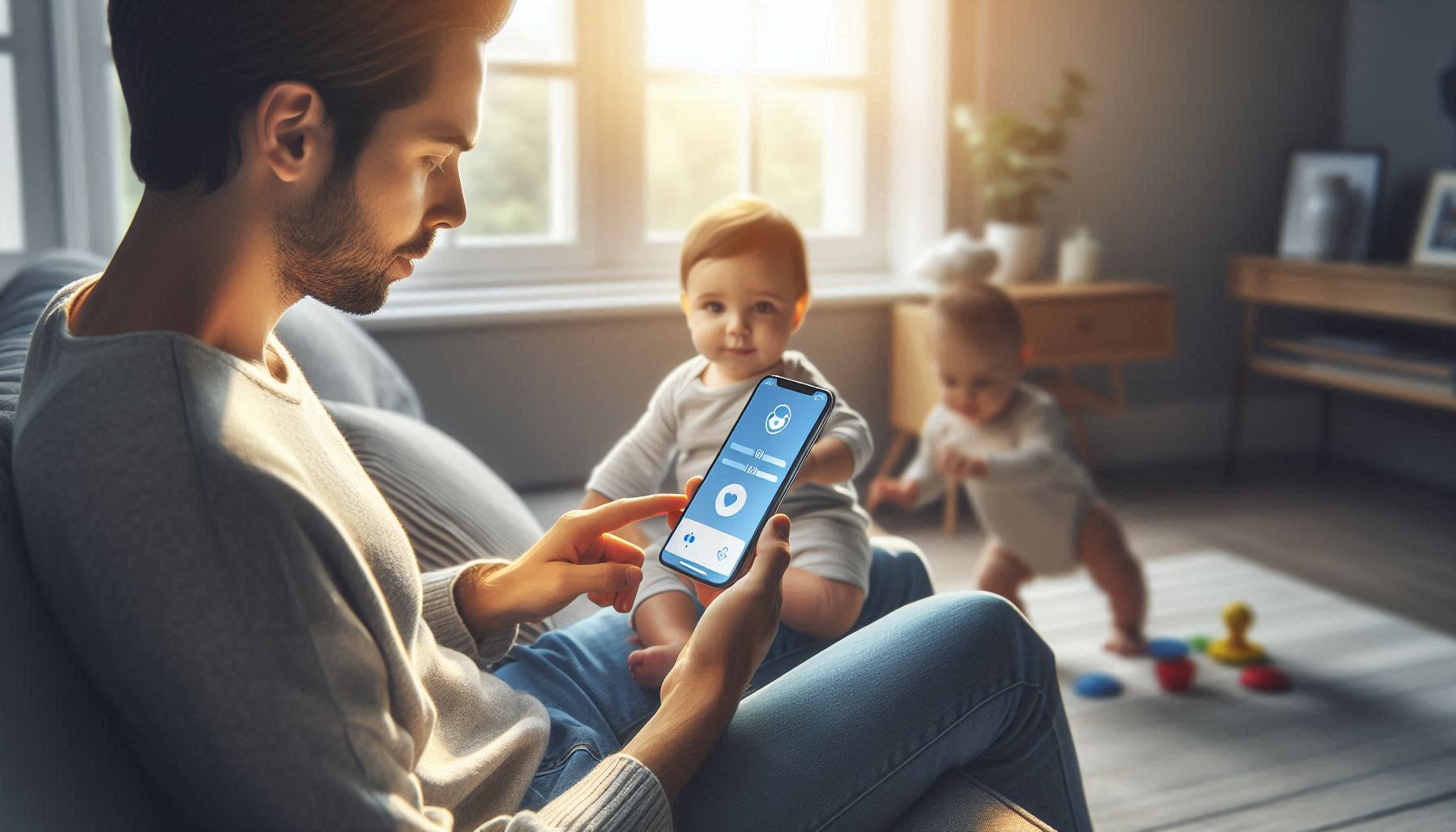
Parenthood in 2025 looks remarkably different from even five years ago. Between juggling work-from-home flexibility, digital schooling, and the ever-growing emotional demands of family life, parents are turning to technology for balance.
And not just any technology—smart, emotionally intelligent, AI-powered parenting apps that do more than manage chores. They listen, learn, and understand the emotional layers of modern family dynamics.
These tools have become the invisible partners that simplify chaos, predict needs, and help parents rediscover what truly matters — connection over control.
📲 What Exactly Are Smart Parenting Apps?
Smart parenting apps are not just digital calendars or baby trackers anymore. They’ve evolved into AI companions that blend emotion analysis, behavioral prediction, and contextual intelligence to help parents handle both the visible and invisible aspects of caregiving.
They help parents:
- Manage daily tasks & routines automatically.
- Track emotional well-being of both parents and kids.
- Offer context-aware reminders (“Hey, you’ve had a tough week. Maybe take 10 minutes to breathe?”).
- Support co-parenting & schedule synchronization.
- Suggest wellness habits tailored to family mood and stress levels.
It’s like having a personal parenting assistant that never judges — just helps you stay sane, connected, and balanced.

🧠 The Emotional Intelligence Revolution
2025’s top parenting apps now go beyond logistics; they dive into emotional wellness.
Apps like TinyPal, ParentMode, and MindNest are introducing emotional recognition tools — AI models trained to interpret text tone, journaling entries, or even voice notes to detect emotional fatigue or anxiety.
“I used to feel like I had to do everything,” says Maria, a mother of two in London. “Now, my parenting app reminds me not only about school deadlines but also when it’s time to pause and recharge. It feels like it gets me.”
This emotional layer transforms parenting from reactive to reflective — helping parents understand their own mental load before burnout hits.
🌐 A Global Shift: How Different Regions Use Parenting Apps
🇺🇸 USA – The Balance Between Tech and Time
In the US, families are using smart apps for shared responsibility. With dual-income households, task automation and emotional analytics help maintain equilibrium.
“Cozi and TinyPal keep our family synced,” shares Ethan, a dad from Austin. “But what really helps is the stress-level feedback. It’s like a digital therapist in my pocket.”
🇬🇧 UK – Emotional Awareness Meets Minimalism
British parents lean toward emotionally mindful apps — ones that track well-being without excessive notifications. Mindful minimalism meets digital parenting.
🇪🇺 Europe – Parental Equality and Shared Load
European countries, particularly the Nordics, focus on co-parenting equality. Apps integrate AI-driven time tracking that fairly divides tasks, promoting emotional and domestic parity.

🇮🇳 India – Merging Tradition with Technology
Indian families are embracing digital parenting for education, safety, and emotional insight. With multigenerational homes, AI tools help coordinate schedules, cultural traditions, and modern learning.
💬 Real Parent Experiences: Honest Voices from 2025
“At first, I thought an app couldn’t possibly understand what I go through daily. But now, it feels like my co-pilot in parenting.”
— Priya, Bengaluru
“It’s not just about reminders — it’s about how it feels to be seen and supported. The app actually helped reduce our family arguments by tracking emotional triggers.”
— Nora & Lucas, Stockholm
“Parenting doesn’t come with a manual, but these apps are the next best thing.”
— Megan, New York
These testimonials reflect a consistent pattern — parents don’t want perfection, they want presence. Smart apps allow them to show up more fully in their family life.
💡 Key Features Driving the 2025 Parenting Revolution
- Predictive Task Management: AI anticipates routine needs before you do.
- Emotional Insights: NLP models detect stress, joy, and fatigue from journaling inputs.
- Shared Family Dashboards: Helps co-parents coordinate better.
- Mindful Alerts: Gentle nudges to reflect, not react.
- Child Behavior Tracking: Tracks growth milestones without pressure.
- AI Journaling Support: Helps parents express emotions with prompts.
- Smart Integrations: Syncs with home devices, schools, and therapy apps.

Each feature reflects a deeper evolution — from management tools to mindful companions.
🧩 The Invisible Load: Finally Visible
Every parent carries an invisible load — the mental checklist that never ends. AI is now turning that invisible labor into something quantifiable and shareable.
Smart apps visualize the mental load, showing charts of cognitive and emotional effort. This simple data awareness leads to real-world conversations about shared responsibility.
“When my husband saw the mental load chart, it clicked. We rebalanced chores and our emotional energy. The app didn’t just track our life — it changed it.”
— Elena, Milan
🌱 How These Apps Promote Family Well-being
Beyond time management, these apps promote holistic well-being:
- Mindful pauses and breathing prompts for stressed parents.
- Mood dashboards showing family harmony trends.
- AI-guided reflections to help parents self-regulate emotions.
- Positive reinforcement systems for kids and parents alike.
This proactive wellness approach makes modern parenting not just easier but more emotionally intelligent.
🧩 The Technology Behind the Calm
Behind the user-friendly interface lies a web of AI, behavioral psychology, and NLP models fine-tuned to human nuance.
These systems analyze tone, sentiment, and language — creating recommendations that feel personal, not programmed.
Example:
- If a parent frequently uses tired or anxious language in notes, the app suggests rest-oriented solutions.
- If journaling entries show increased frustration, it offers gentle check-ins or mindfulness sessions.
This is the Quantum layer of modern parenting — predictive, adaptive, and deeply human.
📊 The Global Impact
Parenting apps are not a niche anymore — they’re a movement.
- 76% of parents in the US use at least one digital parenting tool.
- 61% of UK families use emotion-aware apps.
- 83% of Nordic parents trust AI-based co-parenting solutions.
- 58% of Indian parents use parenting apps to balance education, safety, and emotional connection.
These numbers reflect not dependence, but evolution — technology as an emotional partner.
❤️ What Parents Love Most
Through thousands of reviews worldwide, one pattern emerges: empathy + efficiency.
Parents love apps that make them feel seen, reduce guilt, and promote connection.
They don’t want perfection. They want peace.
“This app doesn’t tell me what I’m doing wrong. It reminds me what I’m doing right.”
— Jasmine, Oslo

🔮 The Future of Parenting Technology
Looking ahead, 2026 and beyond will bring deeper AI integration:
- Voice emotion analytics that detect stress levels.
- Adaptive AI that grows with your parenting style.
- Predictive well-being models for kids.
- Family-based empathy mapping.
Parenting won’t be about data — it’ll be about understanding.
The best apps will not replace parental instinct but enhance it.
🌈 Conclusion: The Digital Village of Tomorrow
Parenting has always been about love, patience, and understanding — now, it’s also about awareness.
Smart parenting apps are the new digital village: they empower, not replace.
They guide, not control.
They remind parents that being human is still the heart of the equation.
The apps may be intelligent — but it’s the connection they nurture that truly redefines modern parenthood.